

The Fight Back Mase Sports interview on 12 women's bouts

Key takeaways
- Poppy said The Fight Back’s first fight night on November 28 will feature 12 women’s bouts.
- Poppy said 25% of fight-night profits will support Fight Forward’s free boxing sessions for women affected by abuse.
- Poppy wants fairer matchups, better pay and promotion, and safer boxing spaces for women.
- Poppy said finding fairly matched fighters has been the biggest challenge in assembling the card.
- The Fight Back hopes to make a documentary about a future fight camp, Poppy said.
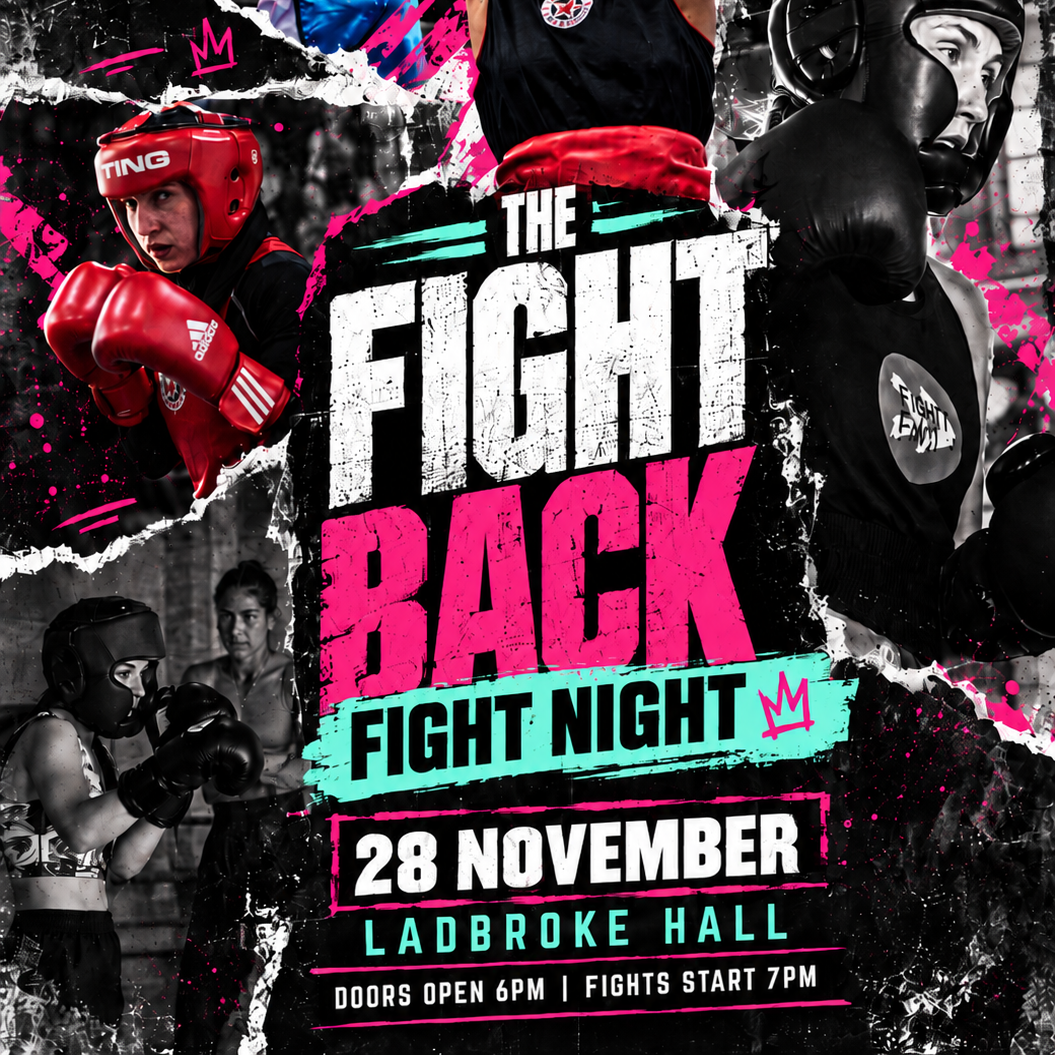
The Fight Back Mase Sports interview put Poppy’s November 28 fight night in focus: she said its first card will have 12 women’s bouts, while 25% of fight-night profits will support Fight Forward’s boxing sessions for women affected by abuse. Poppy, a co-founder who is also fighting on the card, explained why fairer matchups, better promotion and safer gyms matter to the event.
Why did Poppy start The Fight Back women’s fight night?
Poppy said The Fight Back grew from two connected needs: extending the work of Fight Forward, which uses boxing to help women affected by domestic abuse, and creating more opportunities for women who want to compete without turning professional. Its first fight night is intended to give those fighters a platform while supporting the charity.
Fight Forward’s training camps
Fight Forward runs weekly sessions for women who have experienced abusive situations. Poppy said its programs are designed to help participants regain a sense of power and confidence. She went through one of its 10-week training camps herself last year.
A card built for women
While running the camps, the team heard from women who wanted to take part but struggled to find suitable fights. Poppy described cards with many men’s bouts and only one women’s bout, as well as white-collar matchups with large weight differences. The Fight Back’s answer is an all-women card: Poppy said its first fight night on November 28 will feature 12 women’s bouts.
She said the event is being organized by three women. Poppy named Leslie and Shelley as her fellow co-founders and said the aim is to build something for women boxers that also raises money for Fight Forward.
What did Poppy say about women’s boxing and confidence?
Poppy said boxing can help women feel more confident both in and out of the gym. She sees self-protection as part of that, but also pointed to the experience of completing training and stepping into a ring despite fear. For her, representation matters because seeing other women box can encourage more women to take part.
Getting into the ring for the first time
Entering the ring for the first time was one of the scariest things Poppy had done, she said. Completing the rounds and the training changed how she felt afterward: the achievement gave her a sense that she could handle other difficult situations.
A coach also prompted her to think about boxing as practice in patience and strategy. Poppy said staying present, moving and judging what is happening in the ring have made her calmer in everyday situations, where she is more likely to stop and think before reacting.
Seeing other women in boxing
Poppy works off camera in TV and film storytelling. She connected that background to the importance of showing women in boxing rings and giving them room to share their stories. In her view, people who see themselves represented are more likely to feel motivated to tell their own stories or try something new.
What did Poppy say about fair boxing matchups, pay and gyms?
Poppy said women boxers need fairer opponents, consideration for period-related weight changes, better pay and promotion, and gyms where they feel comfortable training. She based her concern about matchmaking partly on her own white-collar bout in her early 20s, when she said her opponent was eight or nine kilograms heavier.
An eight- or nine-kilogram weight difference
With fewer women available to match, Poppy said, fighters can end up facing opponents at unsuitable weights. She recalled feeling at a disadvantage from the start of that earlier bout. For The Fight Back’s card, matching women by weight and experience is a priority rather than simply filling the lineup.
She also raised period weight allowance. If a boxer is over a limit because of hormonal changes, Poppy argued, that should not automatically cost her the chance to fight. On pay, she said female fighters she knows do not get paid while male fighters do, and she wants that disparity addressed.
Promotion and space to train
Poppy wants fighters on the show to receive more attention for their stories. She said The Fight Back is working with MILLIONS, ticketing platforms and social media to help provide that visibility. She also pointed to basic facilities and the atmosphere inside gyms: women should be able to enter, spar and use the space without feeling daunted or unsafe.
How is Poppy preparing The Fight Back’s November 28 fight night?
Poppy said finding fighters who can be matched fairly has been the biggest challenge in assembling the November 28 card. Other shows are taking place around the same time, and interested women have asked to join a later event instead. At the time she spoke, the team had nearly filled the card.
Fight camp alongside event planning
As a fighter on the card, Poppy is training while helping organize it. She said the women preparing for the night are working through 10 weeks of training, while the organizers handle ticketing, social media, partners and the details of putting on the event.
That behind-the-scenes work takes more time than audiences may realize, she said. Even creating a daily social media post requires effort. The team has brought on brands and corporate sponsors, though turning initial interest into confirmed partnerships has sometimes taken longer than expected. Poppy said they had confirmed a celebrity host, but did not name the person.
What would Poppy change for a future The Fight Back event?
Poppy said a future event could tell more of the fighters’ stories, potentially through a documentary about fight camp. The team was too busy to make one for its first fight night. Planning this event has also shown the organizers how early they need to begin marketing and promotion next time.
She expects some tasks to become smoother once the team has put on a show and knows what to expect. Finding suitable fighters may remain difficult, though: fair matching will still require a wide search. Poppy hopes that, after the first event, more women will approach The Fight Back about taking part.
How does Poppy want The Fight Back to support Fight Forward?
Poppy said 25% of fight-night profits are intended to support Fight Forward’s free weekly boxing sessions for women affected by abusive relationships or situations. Beyond funding those sessions, she wants The Fight Back to improve how women fighters are matched, paid and presented, and to help them feel safe within a boxing community.
Funding sessions and building a community
Her longer-term ambition is to fund training for thousands of women. She described success not only in terms of the event, but also in whether Fight Forward’s sessions continue to reach women who need them.
Poppy had already seen a smaller sign of progress at a weekly women’s sparring session. She described a packed gym, with journalists present, and a sense that women were responding to the space the team was creating. Introducing The Fight Back’s wider purpose, she put its ambition plainly:
we're trying to change the face of women's boxing
Who is The Fight Back?
The Fight Back presents a women’s boxing Fight Night built around the belief that women deserve more space to fight, compete and be seen. Its first event brings together live bouts, community and culture, with fighters from across the boxing community.
Watch the full interview
Questions from the interview
How many women’s bouts are planned for The Fight Back’s first fight night?
Poppy said The Fight Back’s first fight night on November 28 will feature 12 women’s bouts.
How much of the fight-night profits will go to Fight Forward?
Poppy said 25% of The Fight Back’s fight-night profits will support Fight Forward’s free boxing sessions for women affected by abuse.
Who co-founded The Fight Back with Poppy?
Poppy named Leslie and Shelley as her fellow co-founders of The Fight Back.
Did Poppy face a heavier opponent in a white-collar bout?
Yes. Poppy said she was matched against someone eight or nine kilograms heavier in a white-collar bout in her early 20s.
Does The Fight Back plan to film a fight-camp documentary?
Poppy said The Fight Back hopes to make a documentary about a future fight camp. The team was too busy to make one for its first event.
In this interview

More from Mase Sports

News

News

News