
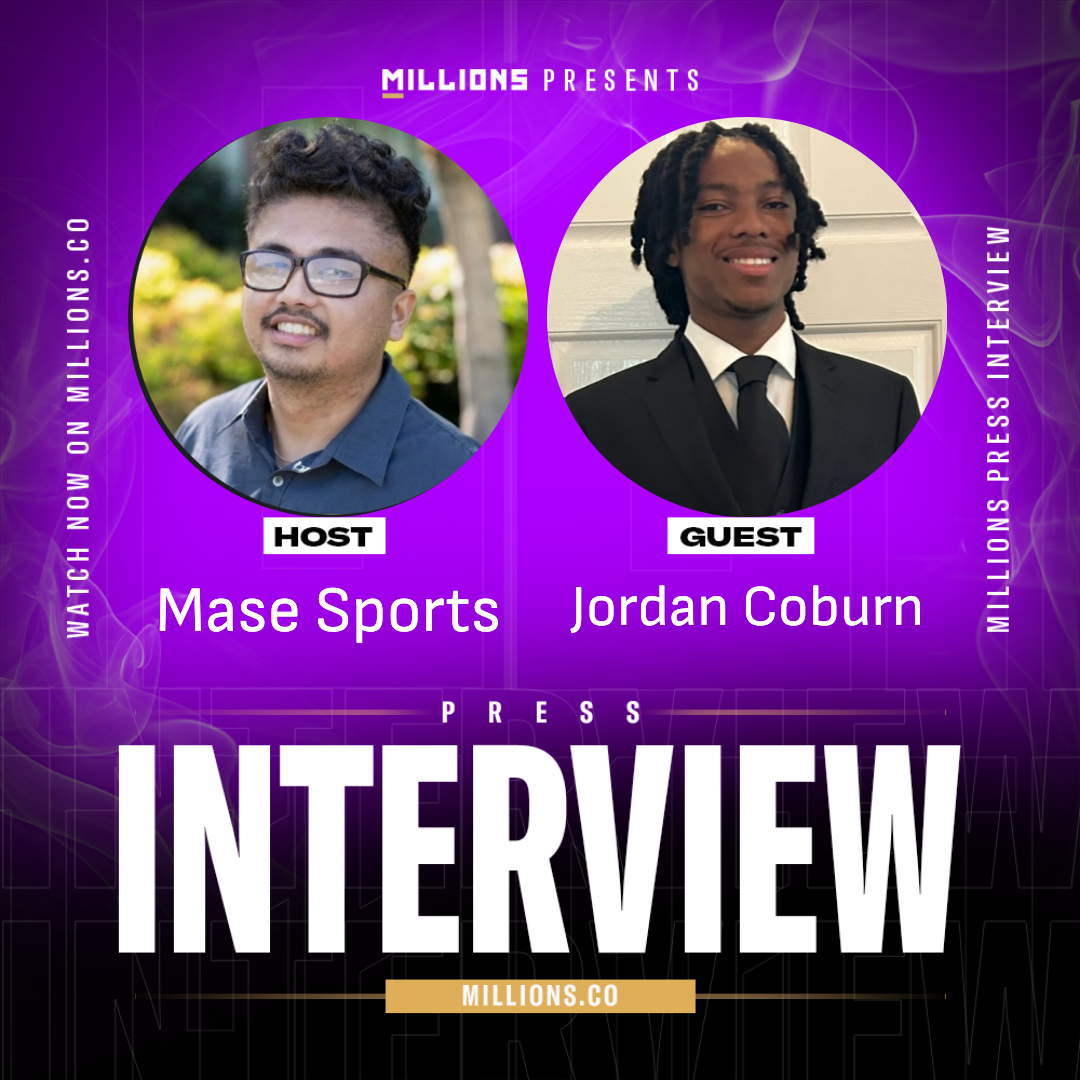
Jordan Coburn Mase Sports interview on reporting and AI

Key takeaways
- Jordan Coburn said the attention on Deion Sanders and Colorado football has outpaced the team's results.
- Coburn said credible sports reporting depends on preparation, sources, accurate quotations and fact-checking.
- Coburn believes AI can produce game recaps but cannot replace a human reporter's work on a personal feature.
- Coburn wants to write about college and high school football after choosing journalism over aerospace engineering.
- Coburn described Broncos fans as Denver's most passionate and demanding fan base.
The Jordan Coburn Mase Sports interview covered why Coburn thinks the hype around Deion Sanders and the Colorado Buffaloes has outpaced their results, what makes Denver Broncos fans demanding, and why he believes AI cannot replace a journalist's work on a personal story. The University of Kansas journalism student also discussed building sources, covering high school football and choosing sports media over aerospace engineering.
What did Jordan Coburn say about Deion Sanders and Colorado football?
Jordan Coburn thinks the attention surrounding Deion Sanders and Colorado football has become excessive relative to the team's results. He said the first two years of excitement made sense, but his interest changed after Travis Hunter and Shedeur Sanders left. Coburn still watches Colorado games and compared the team's position with that of the Kansas Jayhawks.
Colorado and Kansas facing bowl pressure
Coburn grew up in Denver, about 30 minutes from Boulder by his estimate, and said his father attended school there. His proximity to the University of Colorado Boulder has given him plenty of chances to visit, even though Coburn chose the University of Kansas.
At the time of the conversation, he said both Colorado and Kansas were 4–6 and needed to win their remaining games to reach a bowl. He pointed to Colorado nearly beating the Utah Utes and to Kansas losses against the Arizona State Sun Devils, UCF Knights and TCU Horned Frogs as games that could have changed their positions. Coburn had covered the Kansas–UCF game and remembered its decisive final drive.
Shedeur Sanders and Deion Sanders' public comments
Coburn also offered his view of Shedeur Sanders' draft slide. He felt Deion Sanders' public remarks about teams his son might not play for hurt Shedeur's prospects. That was Coburn's interpretation, not a claim that he knew how individual teams made their decisions.
How did Jordan Coburn get into sports journalism and describe Denver fans?
Jordan Coburn traced his interest in reporting to childhood viewing of NFL Network, after he had already begun watching football. He described sports as a shared interest across his family. That background also shapes his view of Denver, where he considers Broncos supporters the city's most passionate fan base.
NFL Network and a family that watched sports
Coburn said he had watched football since he was about five and noticed sports reporting when he was around seven or eight. He watched NFL Network after school, along with Thursday Night Football and A Football Life. Reporting was not yet a firm career decision, but he could imagine himself doing it.
Sports were a regular part of home life. He said the men and women in his family watched and knew the games, giving him people to talk sports with long before he pursued journalism at Kansas.
Broncos expectations and Denver's other teams
For Coburn, Broncos fans showed their commitment through the years after Peyton Manning retired and before Bo Nix arrived. He said they kept attending and expecting improvement, and he credited Nix with helping the team return to the playoffs. Even with a winning record at the time of the conversation, Coburn had heard boos when the offense started slowly.
He described support for the Nuggets and Avalanche as strong, while noting that Colorado also has fans of teams from elsewhere, including the Lakers, Celtics and Raiders. He said Rockies games are fun despite uneven attendance and hoped Denver would eventually get a WNBA team. Near the end of the conversation, Coburn also credited Aaron Gordon as a significant part of the Nuggets' success.
How is Jordan Coburn building credibility as a sports journalist?
Jordan Coburn wants his work to tell stories and inform readers, rather than rely only on opinion. He said credibility comes from preparation, reporting ethics, trusted sources and fact-checking. Running his own platform gives him room to practice and build a portfolio, while his work for the Kansas school newspaper lets him cover its football team.
Preparation, storytelling and a portfolio
Writing is Coburn's main focus, though he also records coaches' comments and turns material into short videos. He studies before asking questions so that he can pursue answers another reporter might miss. Meeting people through his own platform is valuable to him, as is the independence to keep improving his work.
Storytelling feels most natural to Coburn. He reads sports writers, including work in The Athletic, to see how they develop stories, then considers whether something in the sports he covers warrants similar attention. He sees the platform as a place to keep producing work while pursuing opportunities with established outlets.
Sources beyond the Kansas football beat
Coburn argued that a reporter should speak with coaches, players and people who know a team, check the information they provide, and avoid twisting their words. Opinions have a place, he said, but they should not replace reporting.
When Kansas plays an opponent he knows less well, Coburn has collaborated with students from other schools. Their familiarity with the opposing team helps him give readers a more useful account of the matchup than he could provide from the Kansas side alone.
How does Jordan Coburn balance Broncos fandom with creating sports coverage?
Jordan Coburn sees being a fan as a useful starting point for sports commentary, not a reason to stay out of journalism. He said invested fans notice details and can explain their reactions, while reporters still need to put in the work. As a creator, he is learning video skills alongside the writing he prefers.
A Broncos celebration that ended in stitches
Coburn recalled becoming a Broncos fan at about five. During one touchdown celebration, he got so excited that he ran into the television and needed stitches. He said his allegiance predates Peyton Manning's arrival and has continued through the team's leaner seasons.
Asked whether fandom helps commentary or makes objectivity harder, Coburn emphasized its observational value. A fan may notice when a quarterback or another player is struggling and can now share that view on TikTok or Instagram. His answer focused on commentary; his approach to reporting still calls for sourcing and fact-checking.
High school video and a possible media company
Coburn films high school football and said that, if he built a sports media operation, he would consider a YouTube channel or company centered on those games. He mentioned Well Off Media as a model for the kind of football video work he had in mind, while acknowledging that he is still improving as a filmer.
He prefers long-form storytelling to live reporting because he feels more pressure on camera and finds a script helpful. Given a choice between a typical Broncos home game and a Super Bowl experience, he chose the Super Bowl; he has attended NFL games but has never been to one.
What did Jordan Coburn say about AI in sports journalism and his career goals?
Jordan Coburn expects AI to play a substantial role in sports media, but he does not trust it to replace a reporter conducting a personal interview. He said generated writing can contain errors or invented information. His own goal is to become a college football beat writer and also write about high school games.
Why Coburn favors a human reporter for feature stories
Coburn pointed to AI-written athletics content as an example of how the technology is already being used. He said a system might produce a game recap, but a feature depends on a person who can ask the right questions and understand the answers. His concern is particularly sharp when generated material presents made-up details or quotes as genuine reporting.
He wants to apply what he learns on a college football beat to sustained high school coverage. Coburn already films high school games and said he finds them as exciting as college games; he would welcome the chance to write about them, including alongside a college assignment.
Why did Jordan Coburn choose journalism over aerospace engineering?
Jordan Coburn initially studied aerospace engineering because his parents wanted him to pursue it, but he decided the field was not what he wanted for himself. He said ability and earning potential were not enough to sustain a career he would not enjoy. He now wants his journalism to remain humble, useful and grounded in his faith.
Choosing work he wanted to keep doing
Coburn said he was good at math and science but disliked both, making his first college major a poor fit. He had a difficult conversation with his parents about changing direction. When asked what advice he would give his younger self, Coburn put the distinction plainly:
"just because you're good at it doesn't mean you're like passionate about it"
He also pushed back on the idea that working in sports is easy simply because someone knows the games. The field demands sustained effort, he said, and money should not be the sole reason to enter it. Behind the scenes, he continues working on his writing and on making his speaking voice less flat when reading scripts or reporting.
Faith, genuine relationships and helping others
When the conversation turned to relationships and the pressures surrounding athletes, Coburn said he thought connections needed to be genuine. Asked what he ultimately wanted his work to stand for, he spoke about knowing God, remembering where he came from and not acting as though success put him above a program or other people. He said he would help an aspiring journalist seeking advice if he reached the position he wants.
Who is Jordan Coburn?
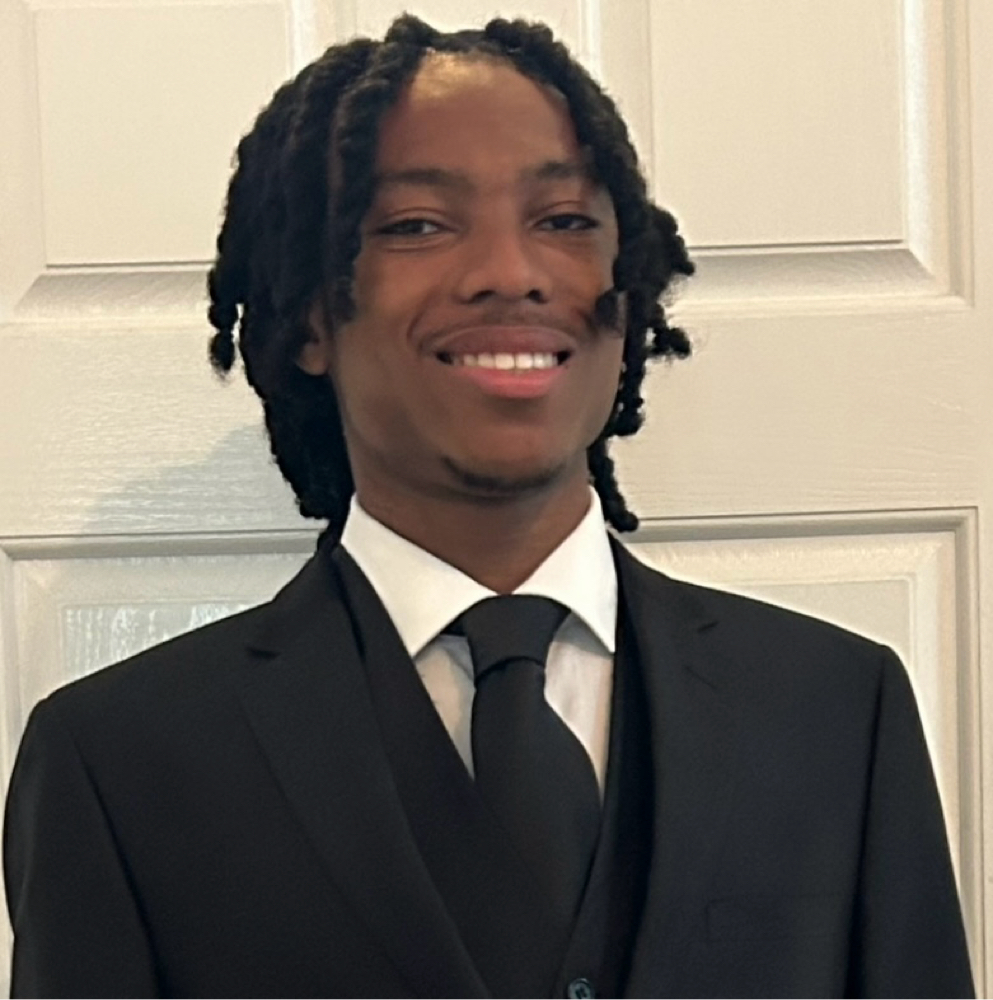
Jordan Coburn is an aspiring multimedia journalist who loves talking about sports.
Watch the full interview
Questions from the interview
Did Jordan Coburn cover a Kansas Jayhawks football game against UCF?
Yes. Jordan Coburn said he covered the Kansas Jayhawks' game against the UCF Knights and recalled Kansas losing on the final drive.
How old was Jordan Coburn when he became interested in sports reporting?
Jordan Coburn said he became aware of sports reporting through NFL Network when he was about seven or eight, after starting to watch football at about five.
What happened when Jordan Coburn celebrated a Broncos score as a child?
Jordan Coburn said he ran into the television while celebrating a Denver Broncos score and needed stitches.
Does Jordan Coburn prefer live reporting or long-form stories?
Jordan Coburn prefers long-form storytelling. He said live reporting puts him under more pressure, and he finds a script helpful when he does go on camera.
What did Jordan Coburn study before choosing journalism?
Jordan Coburn said he began college as an aerospace engineering major before deciding to pursue the work he wanted to do.
What kind of football does Jordan Coburn want to cover?
Jordan Coburn wants to become a college football beat writer. He also hopes to write about high school football, which he already films.
In this interview

More from Mase Sports
News
News

News