

Jessica Kleinschmidt Somiyah Braggs interview on baseball media

Key takeaways
- Jessica Kleinschmidt played baseball as a child, switched to softball in high school and began making blogs, videos, radio shows and a podcast.
- Kleinschmidt said authenticity, curiosity, relationships and writing are essential skills for sports media work.
- Kleinschmidt said Tony Kemp taught her about racial injustice and remained available to reporters after losses.
- Kleinschmidt looks for details about players’ lives, including Joey Estes’s mound dedication, to connect fans with them beyond statistics.
- Kleinschmidt said she kept publishing online before building a large Twitter following and later secured a deal with Bumble.
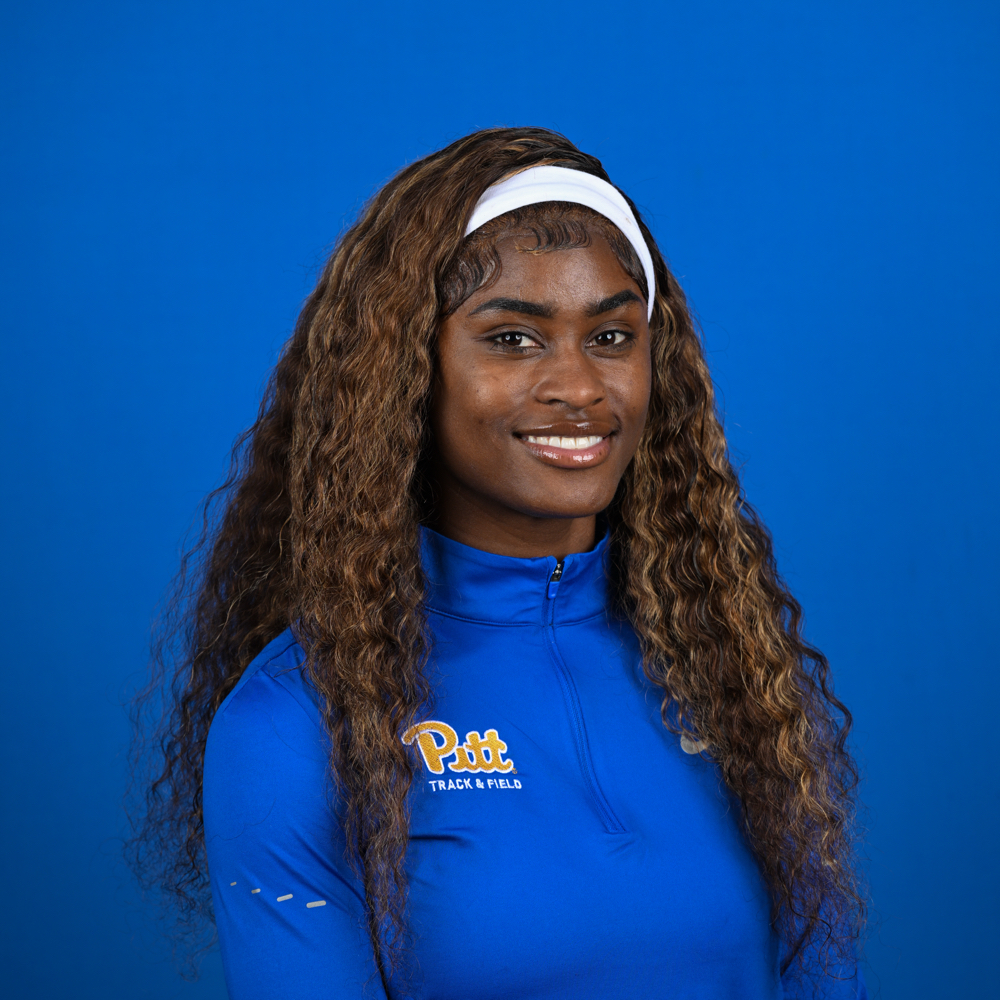
The Jessica Kleinschmidt Somiyah Braggs interview traced how a childhood baseball player became an Oakland Athletics broadcaster, why Tony Kemp changed the way she thinks about covering athletes, and how she built a sports media following before she had a large audience. Kleinschmidt also told Braggs, a University of Pittsburgh track athlete, why she looks beyond statistics when covering players such as Joey Estes and Lawrence Butler.
How did Jessica Kleinschmidt get into sports broadcasting?
Jessica Kleinschmidt got into sports broadcasting after realizing she would not play baseball or softball professionally. She began writing blogs, recording videos and making a radio show, then added a podcast early in her career. Growing up an Athletics fan gave her a personal connection to the team she later worked with.
From childhood baseball to high school softball
Kleinschmidt played baseball growing up and recalled being confused that she did not see other girls playing. She did not know softball existed at the time. When she switched to softball in high school, she had to make new friends in the middle of those years, an experience she found frightening before it ultimately expanded her circle.
Building a career through blogs, video and radio
Her love of writing and talking gave her a way to stay close to sports. She made content across several formats rather than waiting for a single broadcasting job, and described the start of her career as especially digital-focused. She had a podcast at a time when, she recalled, people made fun of having one.
Baseball still feels familiar to her. She told Braggs that going to the ballpark helps her feel settled, regardless of what else is happening. Having grown up an Athletics fan, she now gets to work with the team as well as cover the sport she played.
What did Jessica Kleinschmidt say about starting a sports media career?
Jessica Kleinschmidt considers authenticity, curiosity, relationships and writing essential for someone entering sports media. She urged aspiring reporters to ask questions and make other people comfortable enough to speak openly. Technical skills can be taught, she said, but a reporter’s approach to people shapes the work they can do.
Her own education began before sports media classes were common, so she took introductory journalism courses. Looking back, she emphasized the willingness to ask a question rather than the idea that a particular class provides every answer. She also said reporters must balance their public-facing presence with the reporting itself.
For Kleinschmidt, being a people person means more than introducing yourself. It means developing enough trust that an athlete, coach or other source feels at ease. She described relationship-building as particularly important for people hoping to become insiders.
She also warned against treating television as more important than writing. Broadcast scripts still depend on the written word, and she keeps notebooks close so she can write down details before she forgets them.
How does Jessica Kleinschmidt use baseball storytelling to connect fans with players?
Jessica Kleinschmidt pairs baseball information with personal details that help fans recognize players as people. She said the balance matters when reporting news, analyzing performance and making content for audiences who may not already follow baseball. Her examples included Joey Estes’s mound dedication and Lawrence Butler’s style away from the batter’s box.
Joey Estes and Lawrence Butler
Kleinschmidt noticed that Estes wrote something dedicated to his late brother-in-law each time he went to the mound. She asked him about it, and he was happy to share the story. She sees that kind of attention as part of building a relationship while giving fans an understanding of the person behind a start.
Butler’s clothing and presentation offer a different opening. Kleinschmidt has asked to photograph what he wears because she thinks fans would enjoy seeing that side of him. She also named Brett Rooker as a player whose story could give someone who does not follow baseball a reason to care about him.
The approach does not replace reporting performance. Kleinschmidt said fans still want numbers, while an analyst has a responsibility to check details with players until they are right. She also distinguishes the language of a news post from that of a lighter item. When working for a team, she said, a reporter generally waits for an official announcement before reporting team news.
What did Jessica Kleinschmidt say about Tony Kemp?
Jessica Kleinschmidt called Tony Kemp the standout player she has covered. She said he taught her about racial injustice during COVID, answered uncomfortable questions and made himself available to reporters after losses. Their working relationship continued into broadcasting, where she later got to work with him on a radio call.
Kleinschmidt said conversations with Kemp made her recognize things she had said, and things she had heard others say, as racist. She valued his willingness to answer questions she did not know how to approach, because asking gave her a chance to understand his experience rather than assume she already did.
She also remembered his reliability during what she described as a 112-loss season. Kemp was willing to provide a quote after losses, a role she regarded as valuable to both his clubhouse and the reporters covering it. She recalled him saying he would rather be known as a man before being known as a baseball player.
After Kemp retired, Kleinschmidt got to work with him during a broadcast and throw to him on a radio call. By then, she said, knowing more about his life helped her share more than his baseball résumé with listeners.
How did Jessica Kleinschmidt approach Baseball America and Athletics stories?
Jessica Kleinschmidt said her Baseball America work had to serve a prospect-focused audience while making room for who a young player is beyond his numbers. Covering the Athletics presented a related challenge: when results offered little variety, she looked for observed details and questions that could reveal a different story.
Henry Bolte beyond the prospect numbers
At Baseball America, Kleinschmidt understood that readers wanted to know what a prospect might contribute on the field. Henry Bolte was her example of a player whose speed and defense attract attention, but whose coverage need not stop there. She wanted to remain true to an outlet’s approach while adding her own reporting.
She suggested asking a teammate about a player who is uncomfortable praising themselves. That can reveal what the player is like within a team and give both athletes a way into the conversation. She noted that Baseball America, NBC Sports and MLB.com can each call for a different editorial approach.
Brett Harris and questions beyond the box score
With the Athletics, Kleinschmidt noticed Brett Harris writing something in the dirt at third base and asked him about it. She also asked players how they came up with their outfield celebration choreography after a win. Those questions gave her material for radio, television and written work without relying on another account of a win or loss.
She said players may welcome a question that is not about spin rate or launch angle. Her aim is to stay observant and report something specific that others might not think to ask.
How did Jessica Kleinschmidt build a sports media presence online?
Jessica Kleinschmidt built her online presence by publishing blogs and videos before she had a large audience. She advised college students to choose a focus, keep posting, learn to edit and show that they can work across formats. She said that approach helped people see her work before meeting her.
When her Twitter audience was around 3,000 followers, she was already treating each blog and video as work worth putting out consistently. She said her following later reached 60,000 on Twitter. She also urged creators to give viewers a reason to care about an athlete’s performance, including the numbers that support a story.
Looking back at old work can be uncomfortable, but Kleinschmidt regards that reaction as evidence of growth. She said she had spent the previous six months learning more about editing because she had not previously made time for it. She also told Braggs that she had secured a deal with Bumble.
Her career has moved through social media, radio, television and podcasts rather than staying in one role. She advised students to present that range of skills while being careful about what they post, because deleted social media material can still be found. Encouraging Braggs to value her own personality, Kleinschmidt put her central advice this way:
there's no competition in the world when you're 100 yourself
Who is Jessica Kleinschmidt?
Jessica Kleinschmidt is an athletics multimedia journalist, Athletics broadcaster and Baseball America contributor. Her work includes baseball analysis and features across written and on-air formats.
Watch the full interview
Questions from the interview
Did Jessica Kleinschmidt play baseball?
Jessica Kleinschmidt played baseball growing up before switching to softball in high school.
What did Tony Kemp teach Jessica Kleinschmidt?
Jessica Kleinschmidt said Tony Kemp taught her about racial injustice during COVID and helped her recognize racist things she had said or heard.
Why did Jessica Kleinschmidt ask Joey Estes about the mound?
Jessica Kleinschmidt noticed that Joey Estes wrote a dedication to his late brother-in-law each time he went to the mound. She asked him about it, and he was happy to share the story.
How many Twitter followers did Jessica Kleinschmidt say she had?
Jessica Kleinschmidt said her Twitter following had reached 60,000. She recalled continuing to publish blogs and videos when she had around 3,000 followers.
What advice did Jessica Kleinschmidt give aspiring sports media creators about editing?
Jessica Kleinschmidt urged aspiring sports media creators to learn editing and keep improving their work. She said she had spent the previous six months focusing on that skill.
In this interview

More from Somiyah Braggs

News