
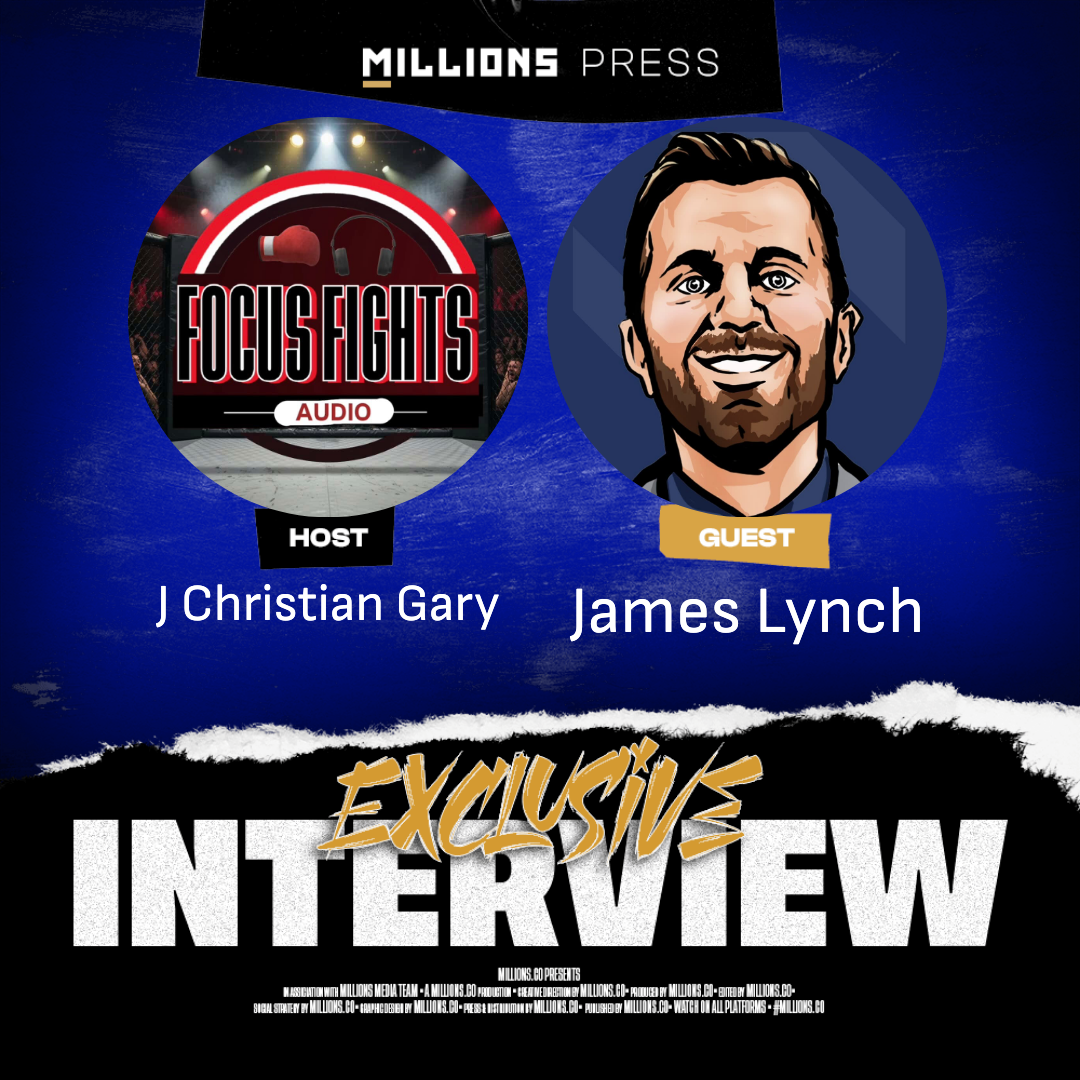
James Lynch Focus Fights Audio interview on UFC fighter releases
Key takeaways
- James Lynch left a corporate job for full-time freelance MMA journalism after his first son was born in 2017.
- Lynch said Jordan Parsons’s family thanked him for an interview that preserved a chance to hear Parsons speak.
- Lynch believes the UFC has gone too far in prioritizing entertainment when making some roster decisions.
- Lynch wants the UFC to invest more deliberately in younger Canadian fighters, including Tony and TJ Laramie.
- Lynch advised new MMA journalists to cover underserved areas and build a varied body of work.
The James Lynch Focus Fights Audio interview with J. Christian Gary covered why Lynch thinks the UFC is passing over some Canadian fighters, how an interview with the late Jordan Parsons became precious to his family, and what aspiring MMA journalists should cover instead of making another UFC-only channel.
How did James Lynch build his MMA journalism career?
James Lynch moved into MMA journalism full time after leaving a corporate job when his first son was born in 2017. He credits freelance work, early fighter interviews and the editing skills he learned at Fight Network with giving him a career that did not depend on securing an on-camera television job.
Leaving a corporate job for freelance MMA coverage
Before that decision, Lynch was freelancing alongside his day job. He had wanted to cover sports professionally but grew up a hockey fan rather than an MMA fan. He said the move to full-time freelance work was a plunge, and that he still sometimes finds it remarkable that it worked out.
His schedule has changed as his career has developed. Lynch said he once conducted far more fighter interviews each month; now, better-paid work and larger interviews allow him to do fewer. He also has two children and coaches them on some weekends, so maintaining a workable system matters as much as keeping up with MMA.
Learning to edit and interview at Fight Network
Lynch joined Fight Network when a small staff remained after layoffs. He worked as a video editor, including on long-form K-1 and Cage Rage cards, and learned Adobe Premiere there. He said a customer-service job at a Toronto gym paid more, but the Fight Network experience helped him later. He also worked at Discovery Channel Canada and TSN, though he described the Fight Network editing as the more creative work.
Staying at Fight Network, he said, probably would not have given him the same opportunities. John Pollock and Robin Black were among the people already working on camera. Lynch wanted to do that work too, so he built his own digital interviews, learning to record remotely, edit, add graphics and write. He explained the value of taking those early opportunities:
I just never turned down interviews. I would interview anyone. I needed the reps.
What did James Lynch say about interviewing Jordan Parsons?
James Lynch said his interviews with Bellator prospect Jordan Parsons stand apart because Parsons died after being struck by a drunk driver shortly after their last conversation. Parsons’s family later thanked Lynch for the interview, telling him it preserved one of their last chances to hear Jordan speak.
Lynch had developed a relationship with Parsons through repeated interviews. He described the shock of losing someone he was used to contacting for another conversation, and said the family’s response made that last interview especially dear to him.
He has also interviewed Georges St-Pierre and Curtis Blaydes, and said he conducted one of Sean O’Malley’s early interviews before O’Malley became widely known. For Lynch, the Parsons interview showed a different kind of lasting value: a fighter’s words could matter deeply to the people closest to him.
What did James Lynch say about UFC fighter releases?
James Lynch said UFC roster decisions increasingly reflect entertainment value and finishes rather than simply matching the best available fighters. He understands why an audience-focused business makes those choices, but believes the balance has gone too far when capable fighters are left outside the promotion or not promptly retained.
He pointed to Elijah Smith, describing him as a 24-year-old fighter getting finishes whose contract had not been renegotiated before his last fight. Lynch said he expected Smith to be signed again but did not understand the delay. His broader point was that fighters have different priorities: some want a UFC place, while others may earn more elsewhere.
Lynch did not treat every roster decision as identical. He said age, the chance to develop newer fighters, finishing ability, personality and a fighter’s likely cost could all affect a promotion’s choice. Even so, he argued that there needs to be a better balance between the sporting and entertainment sides of UFC selection.
What did James Lynch say about Canadian MMA and Vancouver sports?
James Lynch believes the UFC has missed opportunities to build around younger Canadian fighters, particularly Tony and TJ Laramie. He also thinks a major fight event in Vancouver would benefit from a homegrown star. His wider view of the city’s sports market includes a possible NBA return and his lifelong support for the Vancouver Canucks.
Tony and TJ Laramie as Canadian MMA prospects
Lynch called Tony Laramie a significant miss for the UFC, noting that Tony had raised his profile by winning a title in Rizin. TJ, he said, entered the UFC young, and Lynch thinks the promotion cut ties too early. Rather than signing Canadian fighters simply because they are available for Canadian cards, he wants the UFC to invest in people it can build with.
Vancouver events and the former Grizzlies
For a major Vancouver fight event, Lynch said the clearest draw would be a big local star. He contrasted that with the period when Georges St-Pierre and Rory MacDonald gave the UFC prominent Canadians around whom to build cards. Asked about influencer events, he was less certain: Vancouver already has the Canucks, an MLS team, concerts and other attractions competing for ticket buyers.
The conversation also turned to the former Vancouver Grizzlies. Lynch cited the exchange rate at the time as one factor in the franchise’s difficulties and criticized the decision to draft Steve Francis when, he said, the team knew Francis did not want to play there. On hockey, Lynch said he is a Canucks fan “born and raised,” praised the Vegas hockey experience and thought another NHL team in Texas was possible.
What did James Lynch say about influencer boxing and training?
James Lynch said he respects anyone who trains seriously before entering a combat sport, including an influencer, but objects to participants who show up without doing the work. He distinguished Jake Paul, whom he said trains with capable coaches, from the poorly prepared fighters he sees on some influencer-boxing undercards.
Lynch has visited gyms and seen what fighters go through in training camps. That experience shapes his view that a person should prepare properly, take the sport seriously and understand its risks before competing. He also encourages people to exercise and try a challenging activity, including a combat-sport or self-defense class.
He compared the less convincing influencer bouts to celebrity boxing, recalling watching Tonya Harding box when he was growing up. Lynch acknowledged that such fights can attract viewers. Drawing an audience, though, does not change his judgment about whether a participant has respected the preparation the sport requires.
What advice did James Lynch give aspiring MMA journalists?
James Lynch advised aspiring MMA journalists to accept criticism, build a varied body of work and cover an underserved part of the sport alongside the UFC. He named regional, women’s and international MMA as useful areas, and said regional play-by-play results remain valuable to editors, fighters and their families.
Preparing for a long Cage Titans and Ring Titans event
Lynch described a recent event involving Cage Titans and Ring Titans that kept him working from an afternoon preview show until around midnight. He clarified that he conducted backstage interviews rather than calling the fights: the commentary team was Sean Lally, Andy Kurtz and Johnny Campbell. Lynch did 24 interviews during the event and said preparation helped him enjoy the long day.
Finding an MMA coverage niche
For someone starting out, Lynch said a UFC-only YouTube channel faces competition from thousands of others. Covering a less-served area can give a journalist a distinct audience without abandoning UFC coverage. It also creates a library of work showing prospective employers a willingness to take on different assignments.
Regional results are one example. Lynch said site editors tell him they need that coverage, while friends and family may look for a fighter’s result when they cannot watch live. He urged new journalists to seek useful feedback and keep improving rather than repeat the same approach indefinitely.
Who is James Lynch?
James Lynch is a Canadian MMA journalist and producer based near Vancouver. He covers MMA for Home Of Fight and Spectation Sports, produces The Gambler’s Perspective on MMAOddsbreaker, and belongs to the Canadian Journalists Association.
Watch the full interview
Questions from the interview
When did James Lynch leave his corporate job?
James Lynch left his corporate job to pursue freelance MMA journalism full time after his first son was born in 2017.
Why did Jordan Parsons’s family contact James Lynch?
Jordan Parsons’s family thanked James Lynch after Parsons died because one of Lynch’s interviews preserved a chance to hear Jordan speak.
Did James Lynch commentate on all 24 Cage Titans and Ring Titans fights?
No. James Lynch said he conducted 24 backstage interviews during the event; Sean Lally, Andy Kurtz and Johnny Campbell handled commentary.
Which Canadian fighters did James Lynch want the UFC to invest in?
James Lynch singled out Tony and TJ Laramie. He called Tony a missed opportunity for the UFC and said the promotion cut ties with TJ too early.
Does James Lynch consider Jake Paul an untrained influencer boxer?
No. James Lynch said Jake Paul trains and has worked with capable trainers; his criticism was directed at influencer-boxing participants who do not prepare seriously.
What MMA coverage niche did James Lynch recommend?
James Lynch recommended covering underserved areas such as regional, women’s or international MMA. He also said regional play-by-play results are valuable to editors and to fighters’ friends and families.
In this interview

More from Focus Fights Audio

News