

Michael Hall on Antonio Brown’s Call and His Arena Football Path
Key takeaways
- Michael Hall said Antonio Brown called after seeing a video of his kicking and offered to fly him to join the Albany Empire.
- Hall said he practiced with the Arizona Rattlers for about a week after a tryout before being cut.
- Hall traced his kicking strength to soccer practice and said he was all-conference in both soccer and football in high school.
- Hall said a car crash before his Arizona college team’s playoff game affected his later professional workouts.
- Hall argued that travel arrangements and access to treatment make a significant difference for arena football players.
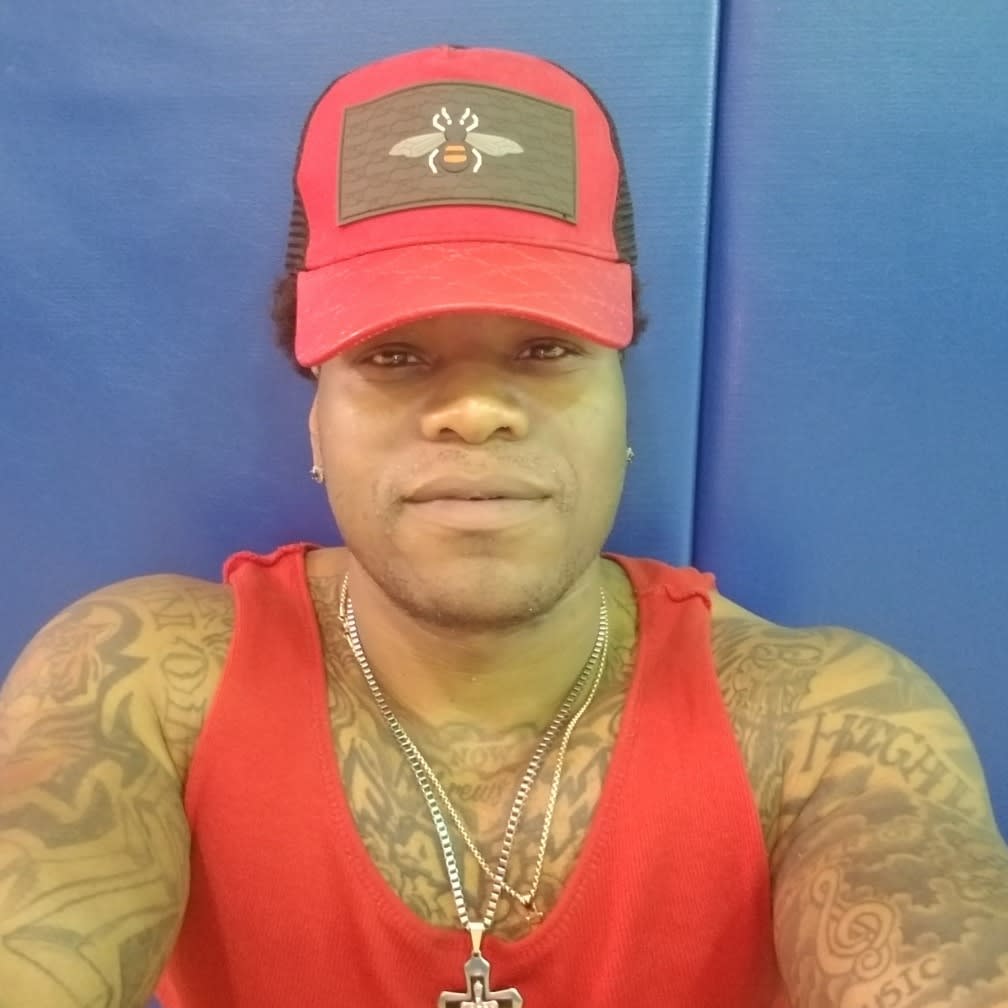
Kicker Michael Hall told Felix Joyner that Antonio Brown called him after seeing a video of him kicking, offering an opportunity with the Albany Empire just as Hall was weighing his next step. Hall also described how a soccer background took him into football, why an Arizona Rattlers tryout did not become a roster spot, and how sharply working conditions can differ between arena teams.
How did Michael Hall go from soccer to football kicking?
Michael Hall did not grow up planning to kick field goals. Basketball was his main focus, while soccer was the sport he thought he played better. Kicking a soccer ball repeatedly against a shed at home helped build his leg strength, and a chance to kick a football showed him another use for it.
From backyard practice to a high school team
Hall said he was a point guard who valued defense and running, skills he also used in soccer. In his family’s large yard, he practiced by striking a ball against the flat side of a shed. He took free kicks, goal kicks and corners, and once kicked with both legs before concentrating on the power in his left.
While Hall was making videos of long soccer kicks, someone handed him a football and asked him to try it. He kicked it through the uprights from around midfield without initially noticing where he was standing. His junior-year football season had already ended, so a local professional team let him practice with it. Its field-goal kicker gave him tips before Hall joined his high school team.
Playing both sports required convincing the athletic director and the football and soccer coaches. Hall proposed getting his conditioning from soccer and doing his lifting with football. He said he finished the season all-conference in both sports.
Why did Michael Hall keep kicking during his Navy service and college years?
Hall joined the Navy because college did not yet feel like a clear next step. He kept playing soccer and kicking field goals while stationed in Norfolk, Virginia, then returned to football during college. Over time, he found that the individual routine of kicking suited him alongside the team experience he enjoyed.
Kicking in Norfolk and after deployment
In Norfolk, Hall worked out occasionally with the Virginia Beach Crusaders and watched their football practices. He said he deployed twice during his Navy service. Field-goal kicking became a quiet, repetitive outlet: he compared it to someone going to a driving range, practicing for its own sake rather than filming every attempt.
Choosing football alongside college soccer
After leaving the military, Hall played semi-pro sports, became a college cheerleader and returned to college soccer. He eventually approached his college football coach about playing both soccer and football. He liked being part of a team but wanted more control over his own contribution; kicking gave him a defined task within the wider effort.
In his first football game there, Hall said he made the first three tackles of his life while chasing down plays after a tipped extra point, a punt and a kickoff. The physical demands made him question whether he could play soccer the next day. He finished that football season all-conference, then began working with kicking trainers on foot placement, body mechanics, terminology and weather conditions.
What setbacks did Michael Hall face before pursuing professional football?
Hall said housing problems, a painful bite, California fires and a shortened college season repeatedly interrupted his path. He later helped a university team in Arizona win its conference and reach the playoffs, but a car crash between its final conference game and first playoff game affected his preparation for professional workouts.
At a junior college in Northern California, Hall said a bite left him barely able to walk, though he could still take the few steps needed to kick. The college had no dorms, and students took a bus from town to campus. He transferred to Yuba Community College, where housing was also difficult, while continuing to train and care for the injury.
After experiencing forest fires in California, Hall moved to a community college program in Minnesota. He said the team played only three or four games before the program shut down over an eligibility or compliance issue. An opportunity at a university in Arizona appealed to him partly because the young program had already won its conference twice and had an accomplished punter Hall hoped to learn from.
Hall said he played in the Arizona team’s playoff game after the crash, but felt the collision and season’s wear afterward. When pro days and workouts arrived, he did not feel able to show his best athletic ability. He also felt that athletes at smaller schools had less help preparing for those opportunities. Reflecting on the path, Hall offered this advice to young players:
How can a coach want it for you if you don't want it for yourself?
What happened at Michael Hall’s Arizona Rattlers tryout?
Hall earned an immediate expression of interest at an Arizona Rattlers tryout after the head coach watched him run a 40-yard dash. He signed paperwork and practiced with the team for about a week, but the Rattlers cut him. Hall said the experience reinforced the value of preparing for every part of a tryout, not only kicking.
Before arriving, Hall researched the roster and coaches. He introduced himself to the special teams coach, who already knew his name. Hall said making that connection helped his confidence because it showed he had studied the opportunity and acted on what he had learned.
He had trained for sprinting and lateral movement despite being a kicker, knowing a kickoff might demand a chase or tackle. Hall said the head coach wanted to sign him after seeing the 40, then appeared surprised to learn he was a kicker when the kicking portion began. Being cut after a week left Hall wondering what opportunity could come next.
How did Antonio Brown bring Michael Hall to the Albany Empire?
Antonio Brown called Hall after seeing a video Hall had made of himself kicking a football. Hall, at home following his release by the Rattlers, initially doubted the caller was Brown and hung up twice. Brown called again, offered to pay for a flight and asked Hall to join the Albany Empire.
Hall said he considered what it would mean to work for Brown amid public attention around him. He did not claim to know Brown personally at that point and decided to judge the opportunity for himself. He also needed paying work as an athlete and valued that Brown had reached out when no one else was calling.
After joining Albany, Hall described Brown as approachable in their interactions and said he observed a professional approach to team business. Hall distinguished what he saw up close from public discussion of Brown’s conduct elsewhere. He also valued the chance to play for an organization pursuing another championship.
What did Michael Hall say about his arena football teams and working conditions?
Hall credited the Tucson Sugar Skulls with giving him a chance to contribute consistent extra points and field position during a playoff season. He described the Tulsa Oilers as offering a particularly professional atmosphere. His later experience with the Minnesota Monsters led him to argue that reliable travel, treatment and basic support matter greatly to players.
Tucson, Tulsa and a Columbus opportunity
With Tucson, Hall felt his kicking provided a steady element for a team that had experienced ups and downs. He said the Sugar Skulls reached the playoffs during his time there. He spoke of the roster and coaches as a strong group, while describing a playoff loss as a missed chance rather than claiming a result the team did not achieve.
Hall then played for the Tulsa Oilers under coach Marvin Jones. He said Tulsa’s atmosphere and the recognition players received made the job feel distinctly professional. Hall also discussed signing with a Columbus team, calling it a historic organization that had won a championship, while noting that people unfamiliar with arena football do not always recognize that its players are paid.
Travel and treatment with the Minnesota Monsters
Hall contrasted the IFL with his experience playing for the Minnesota Monsters in AF1. He said that with the IFL he did not have to worry about whether a team would reach a game or have hotels, while the AF1 arrangements felt closer to semi-pro football despite higher pay. His concern was not only compensation but the practical cost of getting through a week.
According to Hall, players sometimes had access to a trainer only twice a week, with appointments scheduled during practice. Reaching treatment could require travel at a player’s own expense. He said some organizations arranged rides or reimbursement and others did not; in his view, those details can determine whether players can prepare and recover properly.
Watch the full interview
Questions from the interview
Did Michael Hall play soccer and football in high school?
Yes. Michael Hall said he played both sports in high school and finished the season all-conference in each.
Was Michael Hall in the Navy?
Yes. Michael Hall joined the Navy after high school and said he deployed twice. He continued playing soccer and practicing field-goal kicking during his service.
Did Michael Hall make the Arizona Rattlers roster?
No. Michael Hall said he practiced with the Arizona Rattlers for about a week after a tryout, then was cut.
Why did Antonio Brown call Michael Hall?
Michael Hall said Antonio Brown saw a video of him kicking a football and called to offer him an opportunity with the Albany Empire.
Which arena team did Michael Hall play for under Marvin Jones?
Michael Hall said he played for the Tulsa Oilers under coach Marvin Jones.
In this interview


More from Felix Joyner

News

News

News