

Wendell Dunn Paris Black interview on life after football
Key takeaways
- Wendell Dunn moved from player development with Wake Forest football to leadership and character work with athletes across Wake Forest University.
- Dunn said his defensive line coach encouraged him to consider a future in teaching or school leadership outside football.
- Dunn said Mike Tomlin praised his character and leadership during a pre-draft dinner with Jesse Bates.
- Dunn urges young athletes to develop an identity beyond sports and keep friends and mentors who hold them accountable.
- Dunn says preparation and practice help young athletes build confidence.
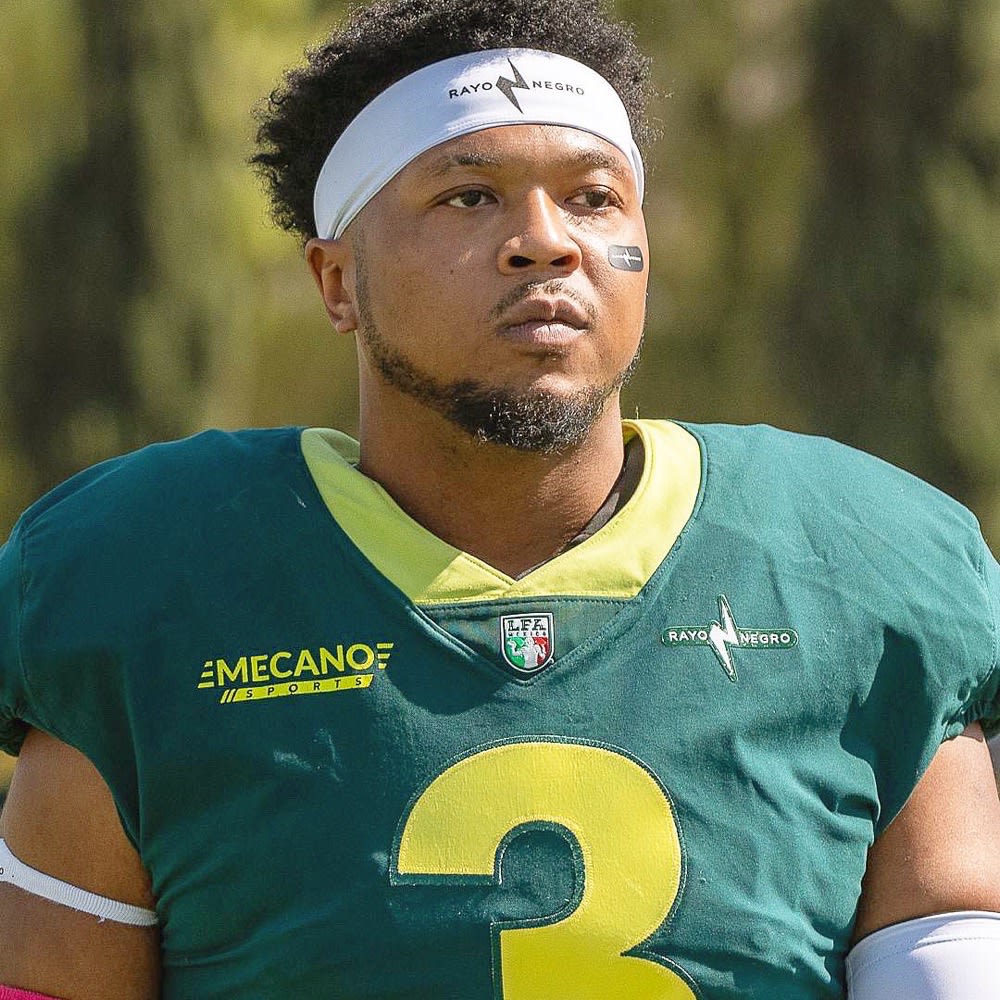
In the Wendell Dunn Paris Black interview on the Smack Biz Podcast, the former Wake Forest football captain explained how a defensive line coach pushed him to consider life beyond the game. He also told Black why Mike Tomlin’s praise of his character stayed with him and how he now helps Wake Forest University athletes build relationships, accountability and confidence.
How did Wendell Dunn build a life after football at Wake Forest?
Wendell Dunn moved from playing football at Wake Forest University into a role supporting its players, then into leadership and character work with athletes across the university. He said the transition was neither easy nor smooth, but his relationships and experiences at Wake Forest helped him find work centered on young people.
From Miami to the Wake Forest football team
Dunn grew up playing football in Miami, where he said the sport was a major part of life in South Florida. He acknowledged that he did not give school as much attention as he should have. People who cared about him helped him earn a scholarship, and he and his family chose Wake Forest over other opportunities.
He had not expected to play defensive end or on the defensive line at Wake Forest. He said he made the most of those assignments, built lasting relationships and was part of a team that won two bowl games. After college, he explored career paths that offered either financial security or satisfaction without giving him both.
Supporting players beyond their performance
As director of player development for Wake Forest football, Dunn spent about three years working with players on professional development, community service, social engagement and difficulties in or outside the classroom. His focus, he said, was on them as people rather than on-field performance or academics alone.
He later became an assistant director working on leadership and character with athletes across Wake Forest, not just the football team. That broader role emphasizes how athletes develop as individuals, including how they understand other people and learn from their experiences.
What did Wendell Dunn say about Mike Tomlin and character?
Wendell Dunn said talent can open doors, but character affects what an athlete brings into the room. At a dinner during the pre-draft process, he heard Mike Tomlin discuss Jesse Bates’s athletic ability while speaking to Dunn about his leadership, spirit and potential value to a locker room and community.
A dinner with Mike Tomlin and Jesse Bates
The dinner came around Wake Forest’s pro day, when scouts had come to see players. Dunn said he did not think his football accomplishments explained his place at a table with Tomlin, the Pittsburgh Steelers coach, and Bates. At the time, he felt slighted that their conversations with him focused on character rather than football.
Looking back, Dunn sees the invitation differently. He believes the way he treated people gave Tomlin a reason to speak with him and showed him that qualities beyond performance had value. Dunn drew a distinction between investing only in a sport and developing relationships, self-awareness and a sense of responsibility to a team.
Dunn put that distinction in these words:
there's a difference between being a good athlete and being good at being an athlete
How does Wendell Dunn mentor young athletes through accountability?
Wendell Dunn tells young athletes to build an identity beyond their sport and surround themselves with people who will hold them accountable. He said football can become such a large part of a young player’s identity that a setback feels overwhelming, particularly when that player has neglected relationships and interests outside it.
Friends and mentors athletes can reach
Dunn said his parents, who were followers of Christ, helped guide him toward church as he grew up. He recognizes that not every young athlete has comparable support. He also sees social media giving athletes more ways to promote themselves while making it important to understand who they are apart from their athletic image.
In his work at Wake Forest, Dunn points to friendships of mutual accountability and to exemplars or mentors as two strategies for developing character. He wants athletes to have friends they can challenge and mentors they can actually contact, rather than relying only on distant NFL figures they admire. A useful circle, he said, also includes people who help with training, studying and difficult days.
Clear, direct and empathetic feedback
Dunn described an approach to accountability he learned from a former Wake Forest cross-country coach: be clear, direct and empathetic. That means addressing the issue rather than attacking the person, explaining what needs to change and recognizing that someone’s behavior may reflect something else they are going through. For Dunn, accountability works best when it protects a relationship rather than threatening it.
What did Wendell Dunn say about leadership at Wake Forest?
Wendell Dunn said a leader does not have to be the loudest person in the room, even though he was often vocal as a Wake Forest player. He values teammates who do the work, connect with others and act consistently with their values. He pointed to Hunter Williams and Terry as examples of influence that did not depend on volume.
Dunn remembered Williams as a player who was quiet, smart and instinctive. Williams could also pull a teammate aside and connect with him directly. That combination made him one of Dunn’s favorite leaders at Wake Forest.
He also recalled Terry as a powerful leader on their team after his football career ended. Dunn said Terry went on to coach at Oregon. Those examples shaped Dunn’s view that leadership comes from relationships and conduct, not simply a title or a willingness to speak first.
How does Wendell Dunn help young athletes build confidence?
Wendell Dunn asks athletes who doubt themselves whether they have prepared for the moment in front of them. If the answer is no, his advice is to practice more and keep learning. He connects confidence to work done before anyone is watching, rather than to a claim that a young player should simply feel more certain.
When asked what he would tell his 15-year-old self, Dunn first chose relationships: invest in people who care about the whole person, not only the football player. He felt his younger self gravitated toward people who praised his ability instead of people who might help him grow in other ways.
His second piece of advice was to accept experiences outside familiar routines. Dunn said athletes can grow comfortable moving between the locker room, field, campus and training. He wishes he had said yes more often when coaches or mentors encouraged him to explore something different, including opportunities to travel.
Dunn also spoke about a 14-year-old defensive end he knows who struggles at times with confidence. He asks that player about preparation and cites Kobe’s repeated practice as an example of why a big moment can feel different when the work has already been done.
Why did Wendell Dunn’s defensive line coach change his plans?
Wendell Dunn said a conversation with his defensive line coach helped him take a future outside football seriously. While Dunn was focused on the next season and the draft, the coach asked whether he had considered becoming a teacher or principal. Dunn did not welcome the suggestion at first, but it led him to invest in other parts of himself.
A conversation about teaching and the Winston-Salem community
Dunn was about 22 and discussing football with the coach when the subject changed. He said the coach saw him helping young people and running a school, even though Dunn had come to the meeting thinking about his playing career. The suggestion mattered because it came from someone he knew primarily as a football coach.
He initially treated the advice almost like another football assignment. Following it, however, brought him into schools and into contact with children in the Winston-Salem community. Dunn said those experiences helped him understand his identity beyond the sport and contributed to the work he does now.
What Dunn hopes people remember
Asked how he wants to be remembered, Dunn did not offer a job title or football achievement. He hopes people remember that he made them feel seen, heard and able to contribute. He connected that aim to what he loved about football: 11 players with different backgrounds doing their parts toward one shared goal.
Watch the full interview
Questions from the interview
What was Wendell Dunn’s role with Wake Forest football?
Wendell Dunn spent about three years as director of player development for Wake Forest football, supporting players with professional development, community service and challenges outside the game.
What did Mike Tomlin tell Wendell Dunn?
At a pre-draft dinner, Mike Tomlin spoke to Wendell Dunn about his character, leadership and potential value to a locker room and community. Dunn said he appreciated the significance of that conversation more later.
What does Wendell Dunn consider effective accountability?
Wendell Dunn says accountability should be clear, direct and empathetic. He advises addressing an issue without attacking the person and considering what that person may be going through.
Did Wendell Dunn consider becoming a teacher?
Wendell Dunn said his defensive line coach asked him to consider teaching or becoming a principal. Dunn initially focused on football, but the conversation pushed him to work with schools and young people in Winston-Salem.
What is Wendell Dunn’s advice for athletes who lack confidence?
Wendell Dunn advises athletes to ask whether they have prepared for the moment they face. If they have not, he recommends more practice and learning as a way to build confidence.
In this interview

More from Paris Black
News

News

News