

Khalil Patterson Paris Black interview on Beadlefield commitment
Key takeaways
- Khalil Patterson said he was verbally committed to Beadlefield after receiving an offer a couple of weeks earlier.
- Patterson said wanting to leave Fairville motivated him to train beyond the required work and study more film.
- Patterson advised young athletes to prioritize training, grades, prayer and listening to their parents.
- Patterson urged football players facing mental challenges to seek support from teammates, coaches and teachers.
- Patterson said Paris Black’s path through Wake Forest University and overseas football inspired him as an edge player.
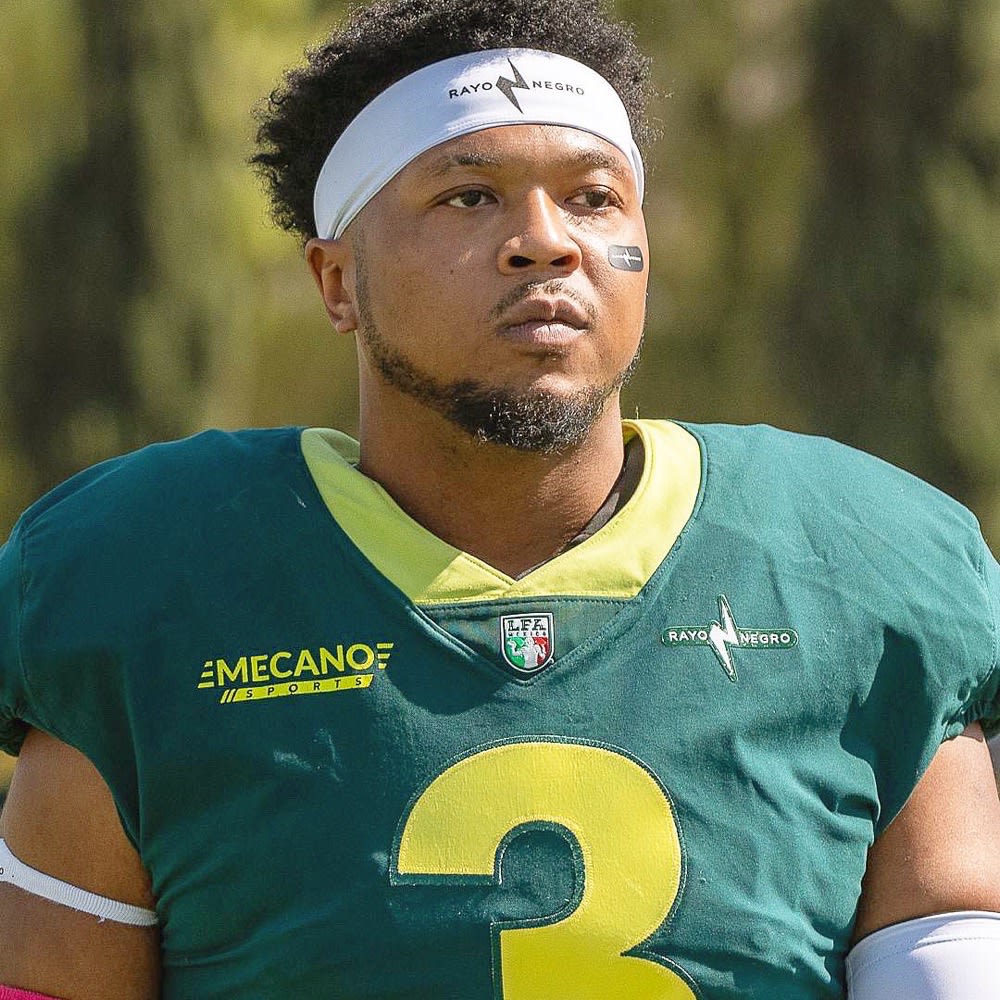
The Khalil Patterson Paris Black interview on the Smack Biz Podcast covered Patterson’s verbal commitment to Beadlefield, how wanting to leave Fairville pushed him to train harder, and why he urges football players to seek support when they face mental challenges. Patterson also told Black that seeing his path through Wake Forest University and overseas football helped him believe he could find an opportunity as an edge player.
What did Khalil Patterson say about North Carolina football?
Khalil Patterson said North Carolina produces talented athletes across sports and at every level, including players who may not be widely known. His own football inspirations include a high school teammate, Joshua Williams and other players he watched while pursuing his career.
Jordan Williams in high school
Patterson described playing alongside Jordan Williams in high school and looking up to him. He also named Brian Bryant and Smiley Black among the athletes who inspired him. For Patterson, those examples were close enough to watch as he developed, rather than distant names he knew only by reputation.
Joshua Williams and other North Carolina athletes
Joshua Williams was another inspiration, Patterson said, even though Williams graduated after him. Patterson called him a Super Bowl champion and said his example matters to people who are still pursuing their own opportunities. He also named Isaiah Stallings and Mark Gilbert, while acknowledging that he could not mention everyone he had followed.
His view of North Carolina sports extended beyond his own circle. Patterson brought up Michael Jordan and said athletes can emerge unexpectedly from places where outsiders may not have been paying attention. He thanked God for his own journey and said he had not always believed he would make it.
What advice did Khalil Patterson give young football players?
Khalil Patterson advised young football players to keep training, take school seriously and listen to their parents. He said talent alone may not carry an athlete forward: grades, judgment and consistent work matter, particularly as players encounter the business pressures he associates with the next level and NIL.
His practical list was direct: spend time in the weight room, work on the field and get grades right in the classroom. Patterson urged younger players to be student-athletes in the full sense of the term, rather than treating school as separate from their athletic goals.
He said he had known talented players who could have gone far but were held back by their classroom work or decisions. That experience shaped his advice to stay focused through distractions, keep going when progress feels slow and remain grounded in prayer.
What was a football training day like for Khalil Patterson?
Khalil Patterson described a typical day built around a short morning lift, meetings, practice, film and class. He said he later learned to make body care part of that routine, using recovery work and, at times, extra conditioning after class to help himself stay ready.
His example began with a lift of about 30 minutes, followed by meetings that could include special teams and offensive or defensive work. Practice lasted around two hours in the day he described. After lunch and a break, he would return to review practice and then attend class.
By his sophomore or junior year, Patterson said, he had learned more about caring for his body. He listed a cold tub, a hot plunge, rehabilitation and extra conditioning among the things he might do in the afternoon. The point was not that every player followed his schedule; he presented it as his own routine.
Why did Khalil Patterson work to leave Fairville?
Khalil Patterson said wanting to leave Fairville gave him a clear reason to endure difficult training days. He viewed the next level of football as an opportunity and believed he needed to do more than the minimum to reach it, from running extra repetitions to studying more film.
That motivation was personal rather than abstract. Patterson described finishing 26 110-yard runs and then challenging himself to run 10 more. He applied the same approach to lifting and film study: when he felt finished, he pushed himself to keep working or take more notes.
He said the added preparation changed how he felt during games. Film study helped him anticipate what could happen before a snap and contribute to conversations with coaches about what he saw on the field. Patterson said that mindset has stayed with him as he has grown older.
What did Khalil Patterson say about football player stereotypes?
Khalil Patterson pushed back on the idea that football players lack intellectual ability. He said learning a playbook requires players to understand numerous adjustments and recognize what is happening before the snap, while balancing those demands with responsibilities beyond football.
As an example, he described a single play having 10 or 15 adjustments. A player has to know how those possibilities fit together quickly enough to act on the field. Patterson saw that preparation as evidence of how much players are asked to learn, not just how hard they are asked to train.
He also recalled a teammate with a 4.6 grade-point average and said he had encountered academically strong football players. Patterson did not claim athletes have challenges no one else faces; he said their combination of physical, academic and mental demands deserves more respect.
What did Khalil Patterson say about football and mental health?
Khalil Patterson said players can channel difficult emotions into training, but they should not expect themselves to handle every mental challenge alone. He urged them to talk with teammates, coaches and teachers, and to remember that football is only one part of their lives.
The field and weight room can provide an outlet, Patterson said, but that outlet is not a substitute for asking someone for help. He warned young athletes against thinking they are invincible or treating the game as their entire future. Patterson put his central point this way:
this game is a game. It's not your life. It's not what you're going to be doing for 40 years.
He pointed to fall camp, with days that can run from early morning into the evening, as a time when teammates share a demanding schedule but may be carrying different personal burdens. Supporting a teammate, and accepting that support in return, was his answer to how players endure those periods. His message was that no one has to go through them alone.
What did Khalil Patterson say about Beadlefield and Paris Black?
Khalil Patterson said he was verbally committed to Beadlefield after receiving an offer a couple of weeks earlier. He also told Paris Black that Black’s route through Wake Forest University and overseas football showed him a football opportunity was possible, especially when he began looking at the edge position.
The Beadlefield commitment
Patterson shared the commitment while discussing his plans to keep playing. He described himself as grateful for the opportunity. He did not give a date for joining Beadlefield or describe the terms of the offer.
Paris Black’s example and a Fairville camp
Although they had not interacted much before the conversation, Patterson said he knew of Black through Fairville. He had followed Black’s move to Wake Forest University and his time playing overseas; when Patterson switched to edge, he went back to watch what Black had done at the position.
Black raised the possibility of organizing a camp in Fairville and said he wanted Patterson there. He also mentioned Ville 26 and said DJ Riccobelli had encouraged him to put on the camp. Patterson welcomed the invitation, but they did not announce a camp date.
Watch the full interview
Questions from the interview
Is Khalil Patterson verbally committed to Beadlefield?
Yes. Khalil Patterson said he was verbally committed to Beadlefield after receiving an offer a couple of weeks earlier.
Which high school teammate inspired Khalil Patterson?
Khalil Patterson said he played with Jordan Williams in high school and looked up to him.
What did Khalil Patterson do after class to care for his body?
Khalil Patterson said he used recovery work such as a cold tub, hot plunge or rehabilitation, and sometimes did extra conditioning after class.
Who does Khalil Patterson think players should talk to about mental challenges?
Khalil Patterson encouraged players to talk with teammates, coaches and teachers rather than trying to handle every challenge alone.
Why did Khalil Patterson study Paris Black’s football career?
Khalil Patterson said Black’s path through Wake Forest University and overseas football inspired him. When Patterson switched to edge, he watched Black’s work at the position.
Has a date been announced for the Fairville football camp?
No date was announced. Paris Black said he wanted to organize a camp in Fairville and invite Khalil Patterson.
In this interview

More from Paris Black

News

News

News