
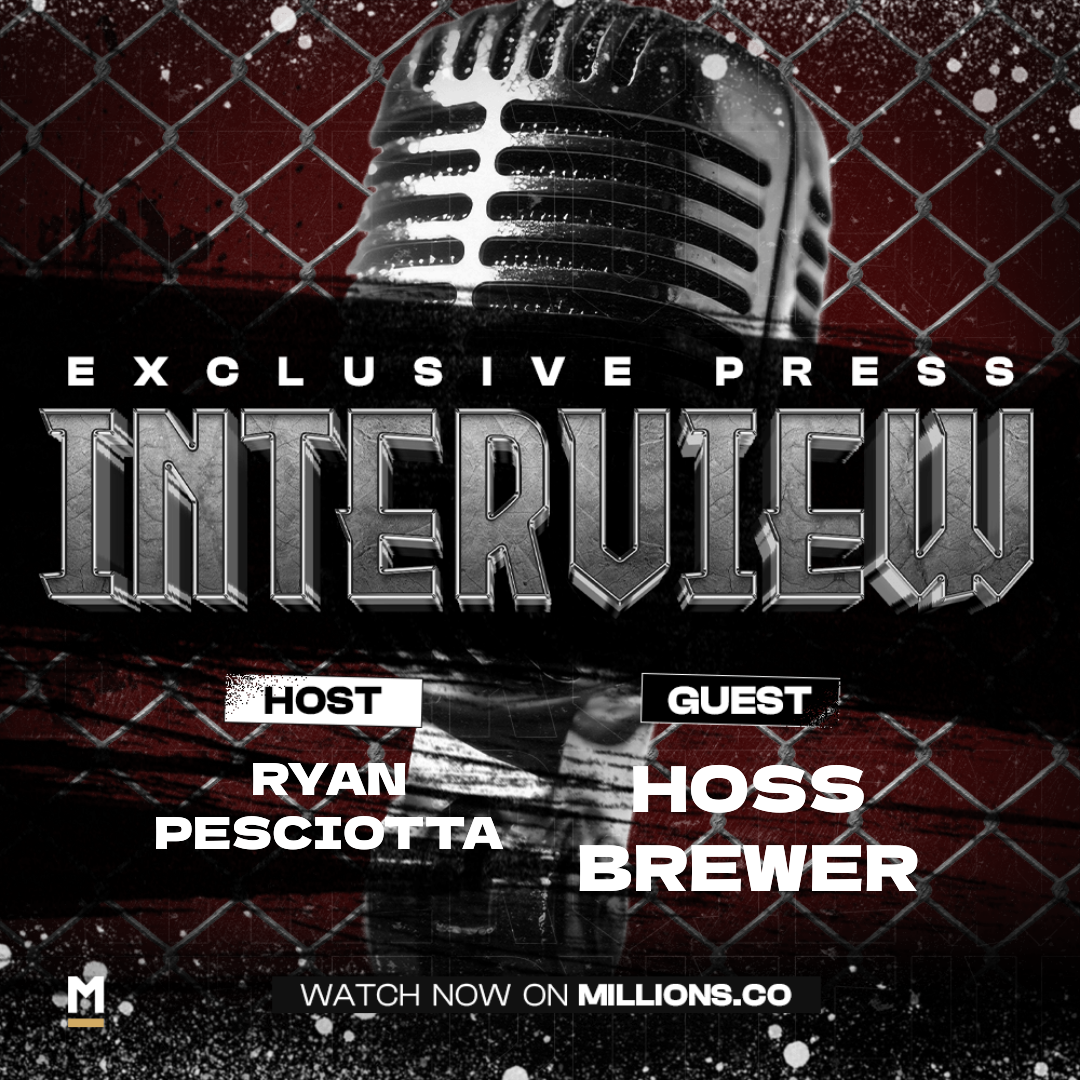
Hoss Brewer Ryan Pesciotta interview on his curveball and Mets goals

Key takeaways
- Hoss BREWER said his curveball is now his go-to pitch regardless of the count.
- BREWER closed out a South Atlantic League championship game in his second year.
- BREWER said going undrafted gave him an edge because he believed he should have been drafted.
- As a reliever, BREWER adjusts his throwing workload to stay ready without overworking his arm.
- BREWER is prioritizing health and strength rather than setting a promotion timetable.
The Hoss Brewer Ryan Pesciotta interview covered how Hoss BREWER closed out a South Atlantic League championship game, why his curveball has become his go-to pitch and how he manages his arm as a reliever in the New York Mets system. BREWER also told me that going undrafted gave him an edge: he believed he should have been drafted.
What did Hoss BREWER say about his college baseball experience?
Hoss BREWER remembers the satisfaction of winning a conference title in his senior season after his team had come close the year before. Of the college venues where he pitched, he liked the look of Coastal Carolina’s stadium, but Lafayette stood out more for its atmosphere and the way visiting players were treated.
The senior-season conference title
BREWER described the title as the result of several years of work with his teammates. Coming up short the previous season made finally getting a ring with the group particularly rewarding, he said.
Coastal Carolina and Lafayette
Coastal Carolina had a stadium BREWER thought looked impressive, though he recalled few fans being there when he pitched. He estimated that Lafayette drew nearly 4,000 or 5,000 fans to its games, making it his pick for the better atmosphere. He also remembered that Lafayette fed the visiting team well.
How does Hoss BREWER manage his bullpen routine with the New York Mets?
Hoss BREWER keeps stretches and arm care in his daily routine but changes how much he throws according to how he feels and whether he may be needed in a game. As a reliever, he tries to stay ready without using up too much of his arm in the bullpen.
He said his pregame bullpen work on most days is about getting a feel for his pitches, sometimes at around 75 miles per hour. As a starter, he had a weekly bullpen session that was more game-like. Relief work requires a lighter touch, he explained, because consecutive appearances can wear on the body.
Getting fully warm and then not entering a game can be frustrating, especially when he has had to prepare quickly with only a couple of batters left. BREWER nevertheless treats that work as a warm-up rather than a chance to fix a pitch. He said the Mets preach saving pitches in the bullpen and that it should not take more than eight throws to get ready to enter.
Why did going undrafted give Hoss BREWER an edge?
Hoss BREWER said going undrafted sharpened his motivation because he believed he should have been selected. He is grateful that the New York Mets gave him an opportunity, but he has kept that belief as part of his competitive mindset rather than treating his path into professional baseball as a reason to hold back.
That edge shows up in how he approaches an imperfect warm-up. If his cutter is not moving as he wants before a game, BREWER trusts that he can find it when the pitch matters. He considers that confidence and trust in his pitches among the parts of his game people may overlook.
Pitch preferences and analytics
BREWER also described how organizations can value different pitch shapes. He said he had heard that the Chicago Cubs like hard cutters, while the Mets put a strong emphasis on hard breaking balls. As he sees it, that can mean preferring a smaller, harder slider over a slower version with more movement.
He enjoys the analytical side of pitching, including decisions shaped by the park and the hitters coming up. Those details matter alongside the belief that he can execute a pitch, even when it did not feel right in the bullpen.
What did Hoss BREWER say about the South Atlantic League championship?
Hoss BREWER called closing out a South Atlantic League championship game his favorite minor-league moment so far. It happened in his second year, in a packed stadium and an atmosphere he said he had not experienced at the smaller school where he played college baseball.
He recalled the championship game as close, thinking the score was 2–1. More than the score, it was the chance to finish the game with a title at stake that stayed with him.
BREWER also spoke about handling an injury setback without losing sight of his goal. He focused on getting healthy and improving the less exciting parts of his work while he could not simply go out and pitch. Injuries can be discouraging, he acknowledged, but he still considers playing baseball for a living the career he had dreamed about.
How has Hoss BREWER’s pitching approach changed as a professional?
Hoss BREWER now leans on his curveball in any count instead of saving it primarily to finish hitters. He said college hitters let him get away with more fastballs, while professional hitters can time a fastball even when it is hard. His answer has been to use his best pitch more often.
Making the curveball his go-to pitch
In college, BREWER said he often got ahead with a fastball or changeup and then used his curveball to close out an at-bat. Now he estimates there is about a 70 percent chance he will throw the curveball regardless of the count. Even if a hitter expects it, he would rather be beaten on the pitch he trusts most.
Conviction over a harder throw
BREWER sees pitch selection as a contest of decisions, but he does not want that contest to pull him away from his strengths. He put his view of velocity and confidence this way:
I'd rather throw like 92 with conviction than kind of like baby 95 in there.
He said command matters, and he believes conviction behind a pitch can produce better results than its movement alone. His aim is to attack hitters with what he does best rather than throw cautiously.
What are Hoss BREWER’s goals for his next season?
Hoss BREWER’s first offseason priority is to get healthy, then stronger. He is not setting a date for reaching a particular level in the New York Mets system because he considers promotion decisions outside his control. Instead, he wants to prepare well and perform when he gets the chance.
He believes added strength could bring a few more ticks of velocity. BREWER also pointed to how quickly a player can move through the system, without presenting that possibility as a timetable for himself. His stated goal is to trust his pitches, attack hitters and approach the season as someone with nothing to lose.
One setting he already values is a Brooklyn Cyclones game. BREWER said the atmosphere there stands out from what he has seen, with roller coasters visible beyond the stadium and strong fan support. He also noted that wind blowing in from the beach can keep a ball in the park when it initially looks gone.
Watch the full interview
Questions from the interview
What is Hoss BREWER’s go-to pitch?
Hoss BREWER said his curveball is his best pitch. He estimates he throws it about 70 percent of the time, regardless of the count.
Did Hoss BREWER close out a championship game?
Yes. Hoss BREWER said he closed out a South Atlantic League championship game in his second year of minor-league baseball.
How many bullpen pitches does Hoss BREWER need to get ready?
Hoss BREWER said the New York Mets preach saving pitches and that getting ready to enter a game should not take more than eight bullpen throws.
Was Hoss BREWER drafted?
No. Hoss BREWER entered professional baseball undrafted and said believing he should have been selected gave him an edge.
Has Hoss BREWER set a target date for promotion?
No. Hoss BREWER said he is focusing on getting healthy, growing stronger and performing rather than targeting a particular level by a set time.
In this interview
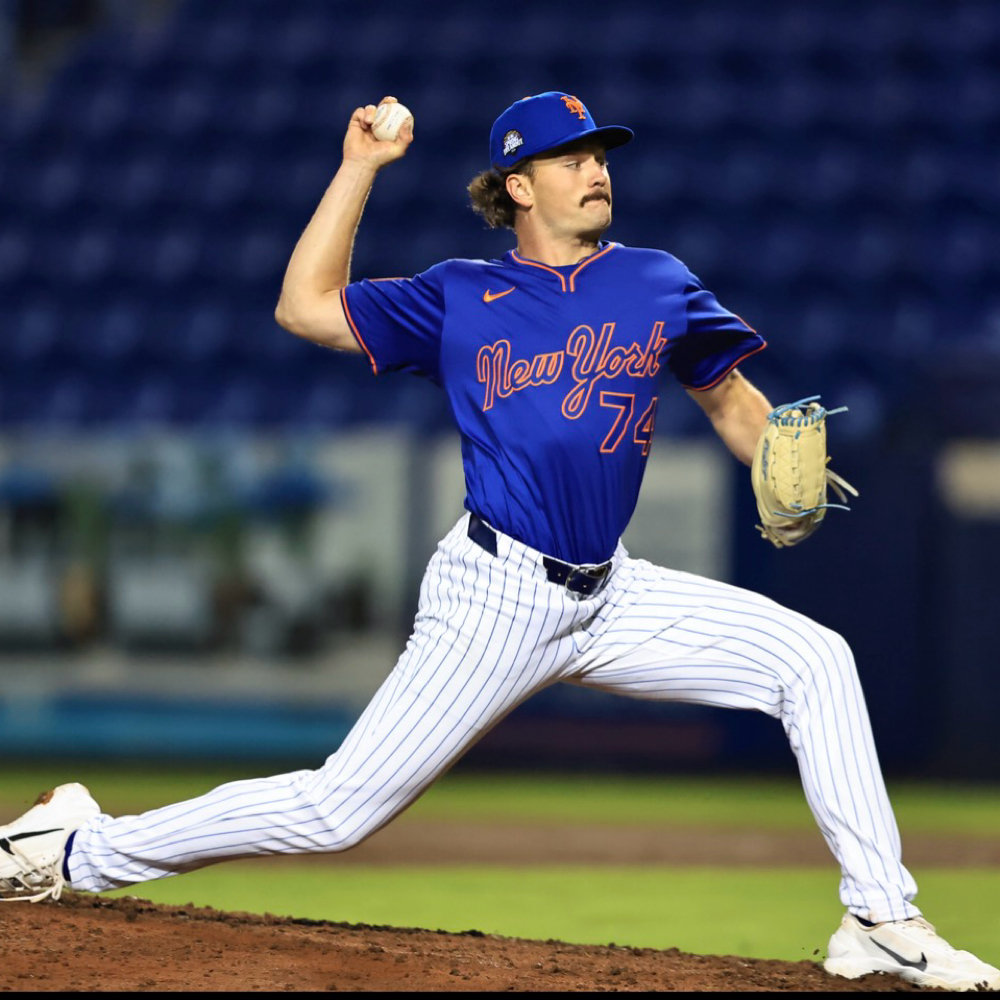

More from Ryan Pesciotta

News

News

News