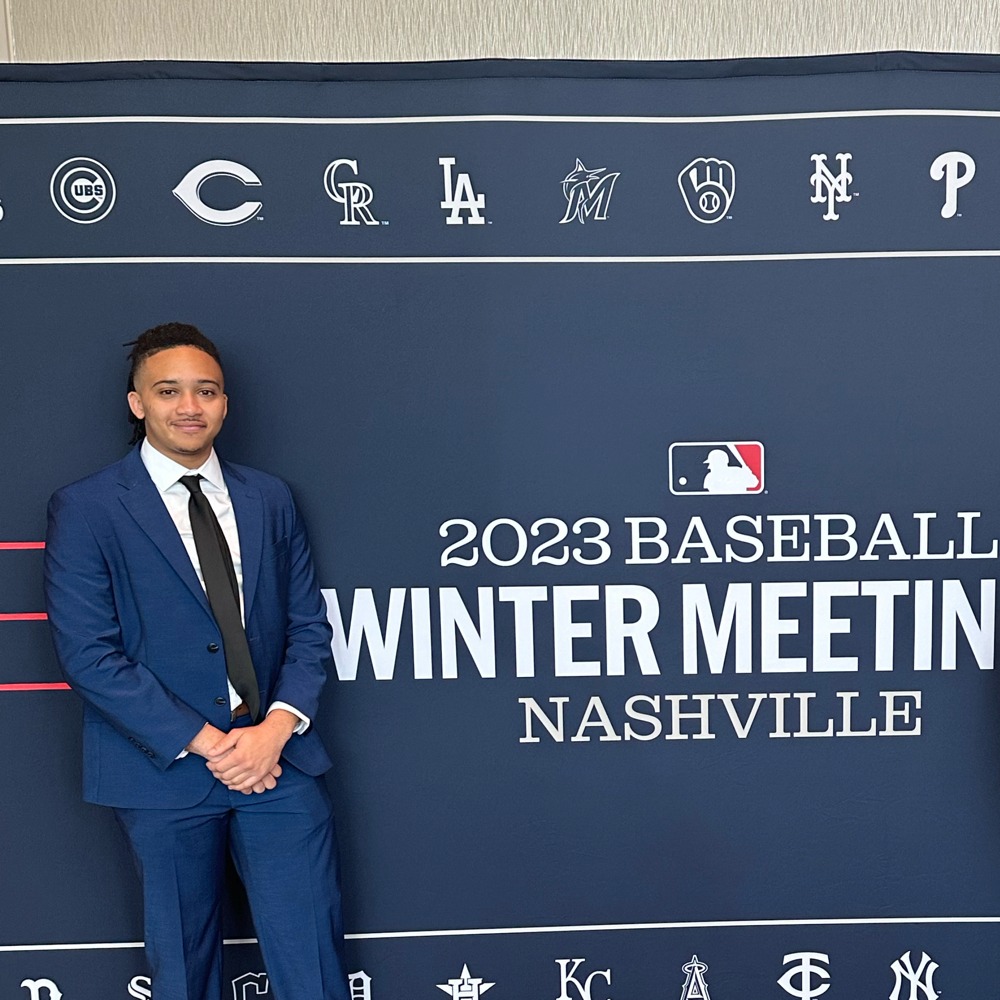
Chase Morgan Coleman Concepts interview on October 10 title shot
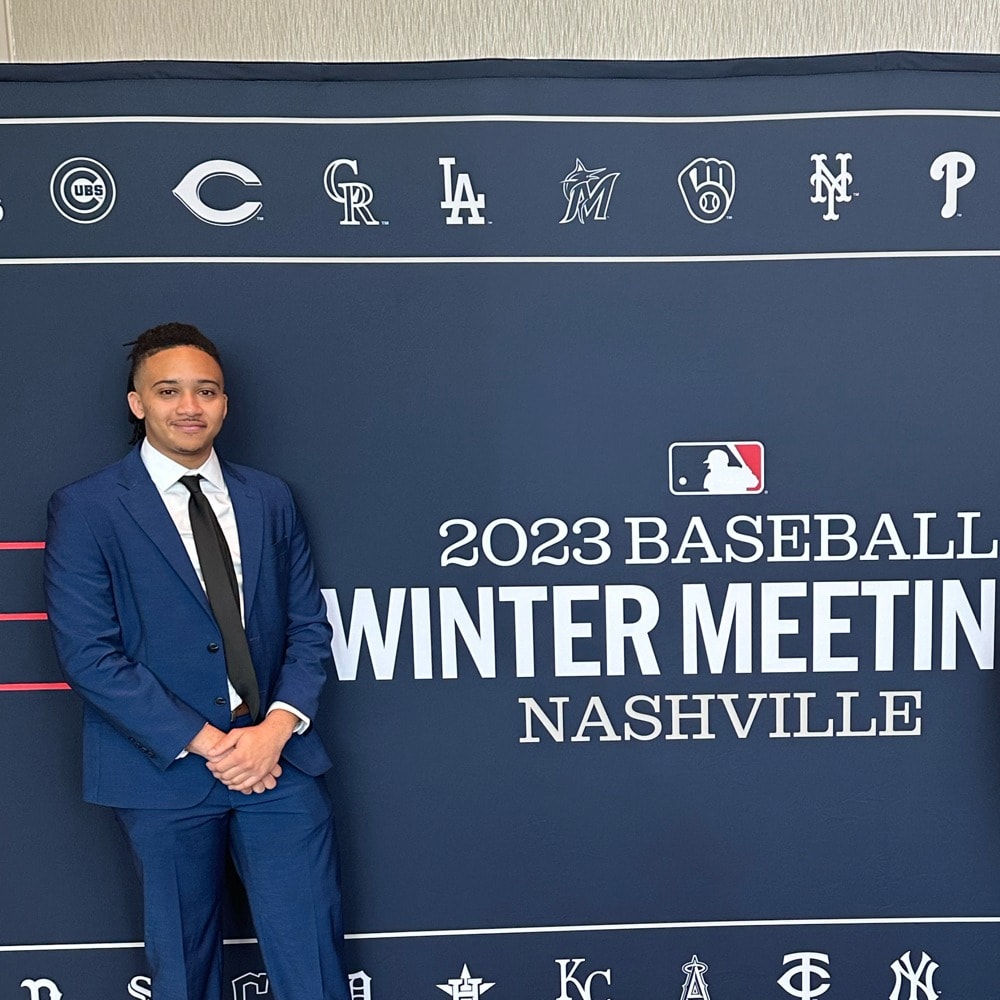
Key takeaways
- Chase Morgan has an amateur MMA title fight scheduled for October 10 at New Line Cage Fighting 49.
- Morgan wants to win the belt, defend it and turn professional in 2027.
- Morgan calls his approach to making weight “weight management” and said he felt healthy throughout this training camp.
- Morgan said Fearless Wrestling lets him teach young wrestlers and give back to his community.
- Morgan advises athletes facing burnout to take time off and remember why they started.
The Chase Morgan Coleman Concepts interview with Brandon Coleman came during fight week for Morgan’s October 10 amateur MMA title shot at New Line Cage Fighting 49. Morgan said he wants to win the belt, defend it and turn professional in 2027. He also described a healthy training camp, his work with young wrestlers at Fearless Wrestling and why the result of one fight will not define him.
What did Chase Morgan say about his next fight at New Line Cage Fighting 49?
Chase Morgan said he felt ready for his October 10 title fight and wanted to leave with a belt. He described the bout as a major goal, but said preparing for it had also changed how he understood his career: each challenge was an opportunity to grow rather than a final measure of his worth.
During fight week, Morgan had been reflecting on his progress since his previous conversation with Coleman. He said he had recently worked with Mark Brown, a UFC veteran who discussed the mentality of being a lifelong martial artist. Morgan said that perspective can be difficult to see when a young fighter is caught up in training and competition.
He also credited the people around him. This camp, Morgan said, had shown him that getting into the cage takes an entire team. He reported feeling healthy throughout it and ready to put the work into practice against his title-fight opponent.
How does Chase Morgan approach weight management before a fight?
Chase Morgan calls making weight “weight management” rather than a weight cut. For his October 10 fight, he said the priority was to stay in regular contact with the scale and arrive prepared, not treat the final days as a separate ordeal. He described his health and his team’s support as important parts of that preparation.
Checking his weight even when he does not feel like it is part of the routine, Morgan said. He compared that consistency to maintaining a relationship: paying attention regularly makes it easier to know where things stand. He said being prepared in this area had been a lesson of his latest camp.
For younger fighters, Morgan’s advice was to learn what their bodies can handle before choosing a weight. He said years of experience had helped him understand both how far he could push himself and how big he could get. Although he is still an amateur, he said he approaches that responsibility as a professional would: if he commits to a weight, he intends to make it.
What did Chase Morgan say about teaching at Fearless Wrestling?
Chase Morgan said Fearless Wrestling gives him a way to teach young wrestlers and give back to his community. After another summer cycle with wrestlers and visiting clinicians, he traced the project to a conversation with his high school coach during college. Morgan wanted to bring what he had learned back to people eager to wrestle.
Returning to his high school community
Morgan said he raised the idea with his high school coach in his junior year of college, when he had begun receiving national-level recognition. He asked about returning for a summer to share knowledge with wrestlers who could use it. His coach helped provide a platform and build a connection with the community.
Passing on lessons from his coaches
The instruction is not limited to technique. Morgan said he still carries lessons about mentality from coaches he knew when he was young, including while playing football. Teaching lets him pass those lessons to a willing child in the position he once occupied. He described the latest summer at Fearless Wrestling as another chance to do that.
What does Chase Morgan tell athletes facing burnout and mental health challenges?
Chase Morgan advises young athletes who are losing their enthusiasm to take time away from the mats and remember why they started. He said training has remained something he wants to do, but that constant work is not the answer for someone who feels burned out. He also makes room for recovery in his own schedule.
Time away from the mats
When Morgan notices a young wrestler hitting a wall, he said he may tell them he will see them in a couple of weeks. He sees that break as advice from a mentor, not a reason to doubt the athlete’s commitment. A person is more than the sport they practice, he said.
Training across grappling and MMA
Morgan said preparing for MMA means considering every aspect of a fight, while a grappling match calls for a more technical focus on its particular demands. MMA carries more risk, in his view, but he sees similarities in the preparation and in the desire to perform. His broader aim is to be ready as a martial artist, whatever the competitive setting.
When he does not feel fully balanced, Morgan said he may set aside a day or two to gather his thoughts, get off his phone, read, ride a bike or spend time outdoors. He acknowledged feeling pressure before the title fight. Rather than pretend it is absent, he said he tries to keep the event in perspective. Morgan put that view plainly:
This is not who I am and this is not what defines me
When does Chase Morgan want to turn pro, and would he defend a title?
Chase Morgan wants to win the October 10 belt, defend it and turn professional in 2027. He presented those plans as goals rather than settled outcomes. Morgan said this would be his fourth amateur MMA fight, and he wants health, recovery and mental health to remain priorities as he decides what comes next.
The experience behind his 2027 goal
Alongside his amateur MMA fights, Morgan cited more than 100 collegiate wrestling matches and roughly 20 to 30 Brazilian jiu-jitsu matches. He also pointed to kickboxing, rounds in the gym and the experience of continually teaching wrestling. He sees the title opportunity as a stepping stone, not a reason to rush past recovery.
Why active champions earn his respect
Morgan said he particularly respects champions who defend their belts regularly, though he does not believe every fighter faces the same circumstances. Discussing the Ultimate Fighting Championship, he noted that difficulty making weight can limit how frequently a champion competes. His own intention, if he wins the amateur title, is to defend it.
What legacy does Chase Morgan want beyond MMA?
Chase Morgan wants to be remembered as someone who led by example. He connected that aim to his collegiate wrestling experience, when he tried to show up, say little and work. He wants to bring the same attitude into the martial arts room and help others keep moving forward when life makes training difficult.
His standard for progress is modest and repeatable: pick yourself up and try to be a little better each day. That outlook also informs how he treats other people. Morgan said everyone has a different story, and he values humility, forgiveness and giving others grace when they make mistakes.
Those priorities extend beyond a fight result. Teaching wrestling, taking care of his health and supporting people around him are all parts of the example he hopes to set. Winning a belt matters to him, but he does not want an occupation or one night in the cage to stand for everything he is.
Who is Chase Morgan?
Chase Morgan is an amateur welterweight MMA fighter from Ripley, West Virginia. He also teaches wrestling through Fearless Wrestling.
Watch the full interview
Questions from the interview
When is Chase Morgan’s next fight?
Chase Morgan’s amateur MMA title fight at New Line Cage Fighting 49 is scheduled for October 10.
Has Chase Morgan turned professional?
No. Chase Morgan said his October 10 bout would be his fourth amateur MMA fight, and he hopes to turn professional in 2027.
What does Chase Morgan call his approach to making weight?
Chase Morgan calls it “weight management” rather than a weight cut. He said he checks his weight regularly and tries to understand what his body can handle.
Why did Chase Morgan start teaching wrestling?
Chase Morgan said he wanted to give back to his community by sharing what he had learned. During college, he asked his high school coach about returning for a summer to teach wrestlers.
What does Chase Morgan do when he needs time to reset?
Chase Morgan said he may take a day or two to reflect, get off his phone, read, ride a bike or spend time outdoors.